Scan our QR code to stay updated with the recent news and upcoming events.
Scan our QR code to stay updated with the recent news and upcoming events.
2026.06.26 - 09.30
Art+ Shanghai is pleased to present Meridian: Intersections in Chinese Art, a summer group exhibition celebrating the remarkable range and vitality of Chinese art being made today.
Rather than organizing the show around a single subject, we borrow an idea from the sky. A meridian is the imaginary line the sun crosses at its highest point of the day, a natural symbol for the height of summer, when this exhibition opens. But a meridian is also a point where different lines meet, and that is the true heart of the show.
Meridian is a meeting place: a moment where artists of different generations, backgrounds, and stages of their careers come together in one room. These artists do not share a single style, message, or story, and that, rather than being a weakness, is precisely the point. Placed side by side, their differences light up the screen. Each artist becomes a kind of coordinate, and the lines between them map out just how varied, layered, and alive Chinese art is right now. The pleasure of the exhibition lies in moving between these voices and discovering the unexpected conversations that emerge.
Each artist arrives by a very different path. Chen Chunfei turns inward, painting inner and spiritual landscapes inspired by the sacred mountains of Tibet. Her vivid canvases transform the natural world into a place of calm and reflection, inviting the viewer to slow down and look beyond the surface of things. In contrast, Tang Zhengwei looks outward at the modern city. Working in the slow, demanding craft of paper-cutting, a technique that requires enormous patience and precision, he gives form to the invisible pressures of urban life, revealing the tensions and hidden currents that lie beneath the bright, polished surface of the metropolis.
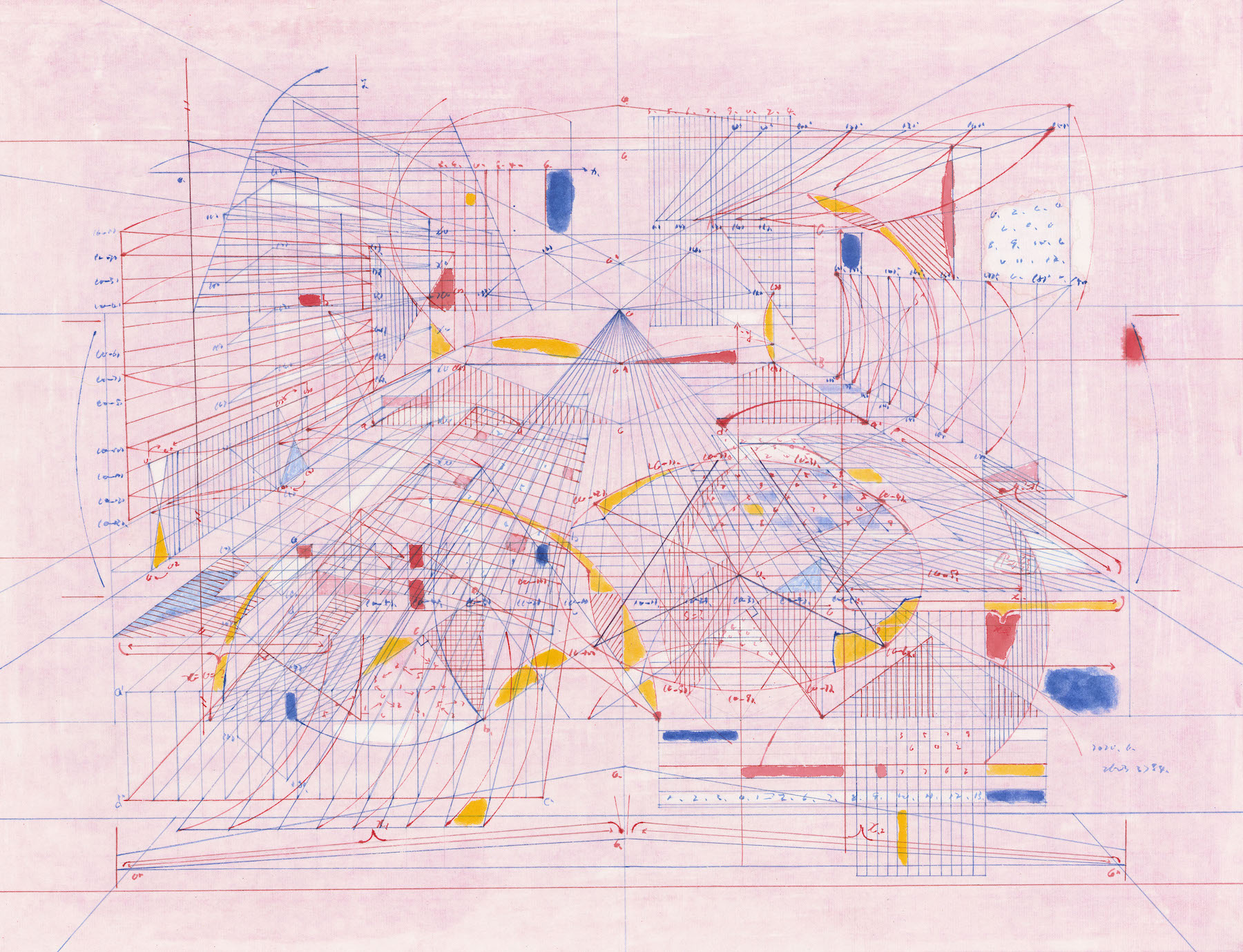
Two other artists reinterpret the traditions they inherited. Liu Gang draws on the discipline and focus of classical Chinese painting, but works with contemporary materials such as graphite and acrylic. In his Non-Form series, fine lines unravel like fraying threads, a quiet meditation on how fragile and fleeting physical life can be, and on the steady passage of time. Ling Haipeng takes a different route into history. He reinvents jiehua 界画, an ancient form of precise architectural "ruler painting," and combines its time-honored techniques with mathematics and structural blueprints. The result builds a bridge between centuries-old tradition and clean, modern geometry.
Xu Chen finds his subject in the most ordinary of things, a single persimmon, a cherry, a banana. Painting in ink and acrylic on linen, he revives the old scholarly tradition of qinggong 清供, the "pure offering," in which simple, everyday objects were arranged with care and reverence. He places a single fruit in a delicate vessel of pale celadon, white porcelain, or shining gold against a deep, dark background, so that an everyday object feels suspended in time and almost sacred. In his hands, the humble still life becomes a quiet vessel for memory, symbolism, and meaning.
Yu Zhitong carries us somewhere altogether more dreamlike. Drawing on both East Asian painting traditions and Western surrealism, she fills her canvases with mythical creatures and imagery from different cultures, blurring the boundary between reality and imagination. Her work captures something of the strangeness and complexity of modern life, where many worlds and influences exist at once.
Brought together in a single space, these very different voices begin a rich conversation about what it means to live in the world today. Meridian ultimately suggests that the real energy of Chinese contemporary art lies in exactly these moments of meeting and crossing, a bright summer gathering that captures the diverse, generous, and ever-changing spirit of art being made now.
About the artists
Chen Chunfei (b. Guangxi, China) is a painter based in Shanghai whose practice unfolds across an evocative vocabulary of dreams, clouds, nature, and music. Working primarily within the lineage of Shanghai-school abstraction, she translates inner states and lyrical impressions into atmospheric, sensorial compositions, a sensibility reflected in the titles of exhibitions such as Painting Dreams (2015), Song of the Nightingale (2018), and Searching for You Through That Cloud (2023).
Active since 2008, Chen has developed a sustained body of work shown widely across China and internationally. Her solo and duo exhibitions include Habitat (M50 NONE PROJECT, Shanghai, 2025), Searching for You Through That Cloud (West Bund Xingyang Center, Shanghai, 2023), Sensibility and Rationality with Gu Benchi (Jieming Gallery, Shanghai, 2022), and From One Cloud to Another (Jiaxing Dihara Art Museum, Zhejiang, 2021).
Her work has featured in numerous group exhibitions, including Everyone (Tokyo Art Museum, 2014) and a long-running engagement with women artists' platforms, among them presentations at the Cooper Art Museum, Huzhou Art Museum, and Shanghai Sifang Art Center. Recent group showings include Realm of Symbiosis and Symbiotic Narratives (Songyang, Zhejiang, 2025) and Reconstructing the Narrative of Life — Her One Square Meter (Cooper Art Museum, Shanghai, 2025).
Ling Haipeng (b. 1987, Liaoning, China) is a contemporary artist who currently lives and works in Beijing. He received both his BFA (2012) and MFA (2016) from the Department of Traditional Chinese Painting at the Luxun Academy of Fine Arts.
Ling’s practice interrogates the precise, systematic methodology of jiehua (界画, traditional Chinese ruler painting). He recontextualizes this historical technique through the contemporary lenses of mathematical calculation and structural modeling. By systematically excising classical aesthetic conventions from his compositions, Ling isolates the underlying spatial and structural logic of traditional painting. His work navigates the liminal space between historical continuity and geometric abstraction, transforming ancient architectural painting techniques into a rigorous, analytical discourse on contemporary visual models.
His work has been exhibited extensively across China. Notable solo exhibitions include Consistency (2022) and Branch (2020) at dRoom, Platform China Contemporary Art Institute in Beijing. Recent selected group exhibitions include “Transparency” at Art+ Shanghai Gallery (2024), Capture (2023) at Platform China; Flowing Instinct (2023) at the Song Art Museum; the First CCB Trust Art Award Shortlisted Artists Exhibition (2021) at the Guardian Art Center; and Variations at the Third Anren Biennale (2021).
Ling is the recipient of numerous accolades, including the SAP Art Award for Young Artist of the Year and Painting Art of the Year (2021), the Third Anren Biennale Young Artists Award (2021), and the Youth Art 100 — Phoenix Art Nova Award (2020). His works are held in prominent institutional and private collections, including the Liu Haisu Art Museum, the Luxun Academy of Fine Arts Art Museum, and the E-Land Group.
Liu Gang is a contemporary Chinese artist born in Hebei province and currently based in Shanghai. He received his education from the Art Department of East China Normal University.
Liu Gang's artistic career spans over three decades, with his first recorded exhibition dating back to 1992. He has held numerous solo exhibitions, showcasing his work in prestigious venues. Notable solo exhibitions include: “Visible & Invisible” personal works exhibition at Culture 21, "Qi Zhi" Personal Works Exhibition at Culture 21 in 2019, “From Logic to Ontology” solo exhibition at Mei Bo Art Museum, “Dimensional Dialogue” solo exhibition at Art+ Shanghai Gallery in 2024.
Liu Gang's work has also been featured in various group exhibitions both domestically and internationally. His art has been showcased in cities such as Los Angeles, Abu Dhabi, and Seoul, as well as in countries like Germany, Italy, and Taiwan. This international exposure demonstrates the global appeal and recognition of his artistic vision.
Liu Gang's practice functions as a profound meditation on temporality, a visual dialogue between historical consciousness, contemporary concerns, and natural phenomena. Each body of work emerges as evidence of his intellectual rigor and unwavering commitment to formal innovation and conceptual depth.
Particularly revealing is the remarkable trajectory of Gang's practice over the past fifteen years. His four most recent series function as waypoints, charting the artist's intellectual development, shifting conceptual frameworks, and evolving technical virtuosity.
Born in 1987 in Chengzhou, China, Tang Zhengwei received his Bachelor in Mural Painting at the China Academy of Art, Hangzhou, (2011) and his Master's degree in Experimental Art at the Central Academy of Fine Arts, Beijing (2018).
In a range of experimental and conceptual work, he currently concentrates his artistic practice on paper cutting. Whether crafted from the label of a water bottle or milk carton, a thin sheet of rice paper or conceived as a large-scale papercutting sculpture, his detailed works express the artist’s profound interest in the current social, economic and environmental state of affairs in China and the world. Thorough research, scrupulous data analysis, sophisticated mathematical calculations are solidified in the intricacy of his detailed work cut out of paper.
Tang Zhengwei’s works have been exhibited in China and Japan, some of the notable exhibitions include group shows such as “Somewhere Only We Know” in Ullens Center for Contemporary Art and KWM Art Center in Beijing in 2016, as well as the exhibition dedicated to the future of Chinese Folk Art in Ichihara Lakeside Museum in Japan the same year. His first solo exhibition was held at Art+ Shanghai Gallery in 2018, followed by a Solo Show “Seeing the Unseen"有知无见的吸引 in 2022.
Xu Chen (b. 1985, Shanghai) lives and works in Shanghai. Trained first at the Shanghai Art & Design Academy (2004) before earning a B.A. (2008) and an MFA (2013) from the China Academy of Art in Hangzhou, Xu Chen belongs to a generation of artists reinterpreting the classical language of shanshui (山水) and Chinese calligraphy through a contemporary conceptual lens.
Across recurring bodies of work, among them Folding Mountains (2017–2018), Mountains and Mountains(2020), and Zhuan Shan (2017), the practice interrogates landscape not as inherited motif but as a mutable structure, folding and re-articulating the genealogy of the literati tradition for the present moment. This sustained inquiry extends into the realm of contemporary calligraphy, evidenced by participation in the Hangzhou International Modern Calligraphy Art Festival (2019).
Xu Chen has exhibited widely across China and internationally, with solo and group presentations at the China Art Museum, Shanghai (2013, 2020, 2021, 2023), the Tianjin Art Museum (2014), the Hanshan Art Museum, Suzhou (2018), the Anren Biennale, Chengdu (2017), and Polar Bear Gallery, Tokyo (2024), alongside recent showings in Shanghai and Nanjing.
The work is held in the collections of the Shanghai Art Museum, the Shanghai Archives, the Baidai Art Museum, as well as corporate collections including Huawei, Fangyuan Group, and NIO, and private collections across the United States, France, the United Kingdom, Japan, Denmark, and China.
Yu Zhitong (b. 1991, Heilongjiang, China) is a multidisciplinary artist and scholar whose practice navigates the intersections of visual art, cinematic concept design, and academic research. Holding a Ph.D. in Art History from the Université de Lorraine (2023), Yu's doctoral research interrogates the presence of animal chimeras and hybrid creatures within contemporary artistic imagination, a theoretical framework that deeply informs their own visual lexicon.
Yu's formal artistic training began at the Central Academy of Fine Arts (CAFA) in Beijing, where they earned a Bachelor of Arts in Image Design and Animation. They subsequently relocated to France, completing both a Bachelor's and Master's degree in Modeling Art at the École Supérieure des Beaux-Arts de Nantes.
Their diverse professional praxis spans multiple disciplines and international borders. Yu has contributed to pre-production concept design for acclaimed French documentary director Jacques Perrin and engaged in advanced printmaking at the Michael Woolworth Studio in Paris, assisting renowned artists such as Jim Dine and Lucas Arruda. Furthermore, Yu has participated in prominent international residencies, including an exchange program in Marfa, Texas, and a residency at La Maison Fumetti in Nantes.
Yu’s work has been exhibited extensively across France and China, with exhibitions in Paris, Nantes, Saint-Malo, and Shenzhen. Their distinct approach has garnered significant institutional recognition, including the Takeshi Matsuya Prize from the Shoen Art Foundation in Paris (which also acquired their work), the KUART Academic Nomination Award, and multiple Jury Commendation Awards from the Nantes School of Fine Arts. Alongside their studio practice, Yu maintains an active pedagogical role, having recently served as a teaching assistant for Sino-French academic workshops bridging art and technology at the Sichuan Fine Arts University.
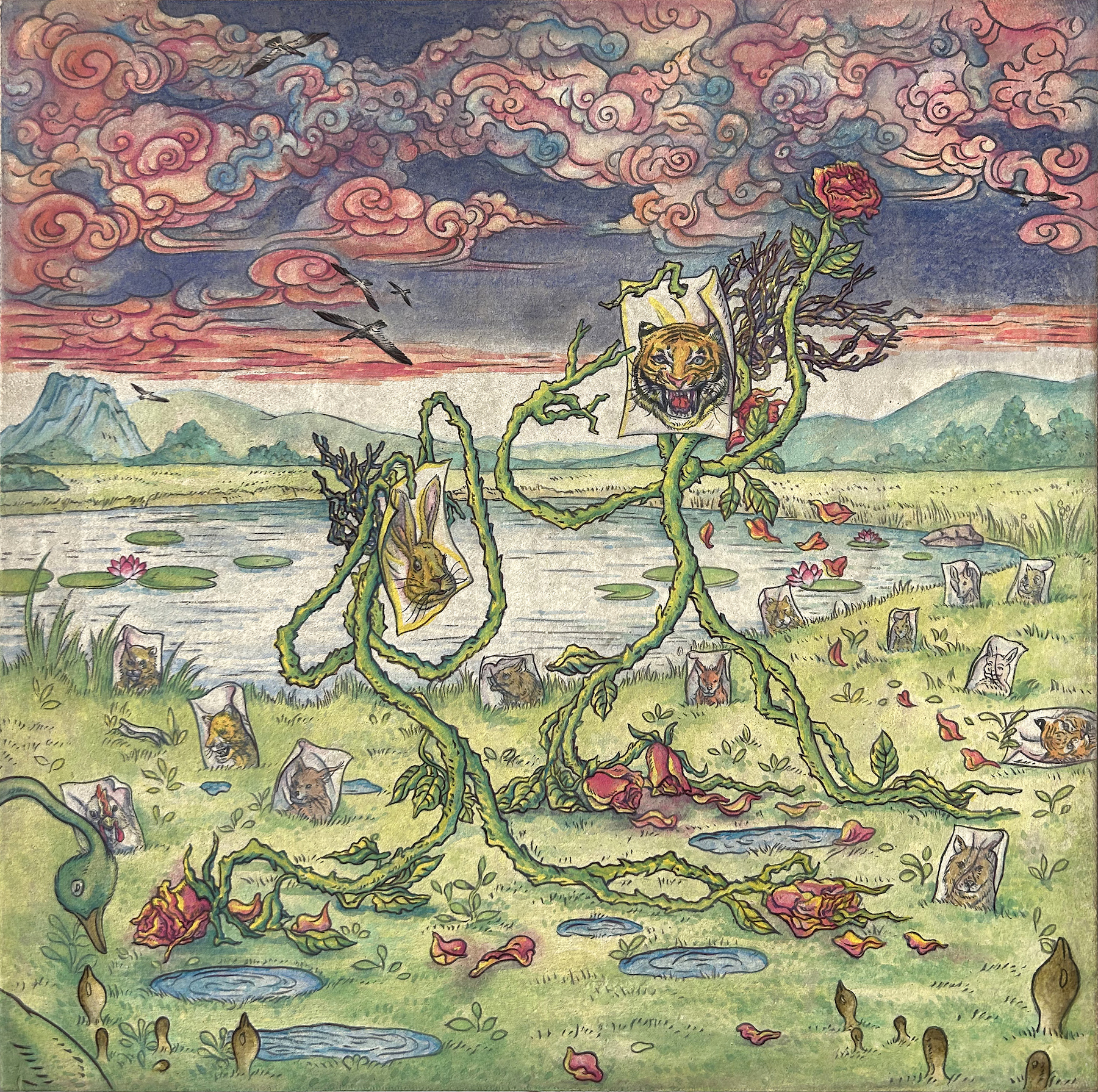
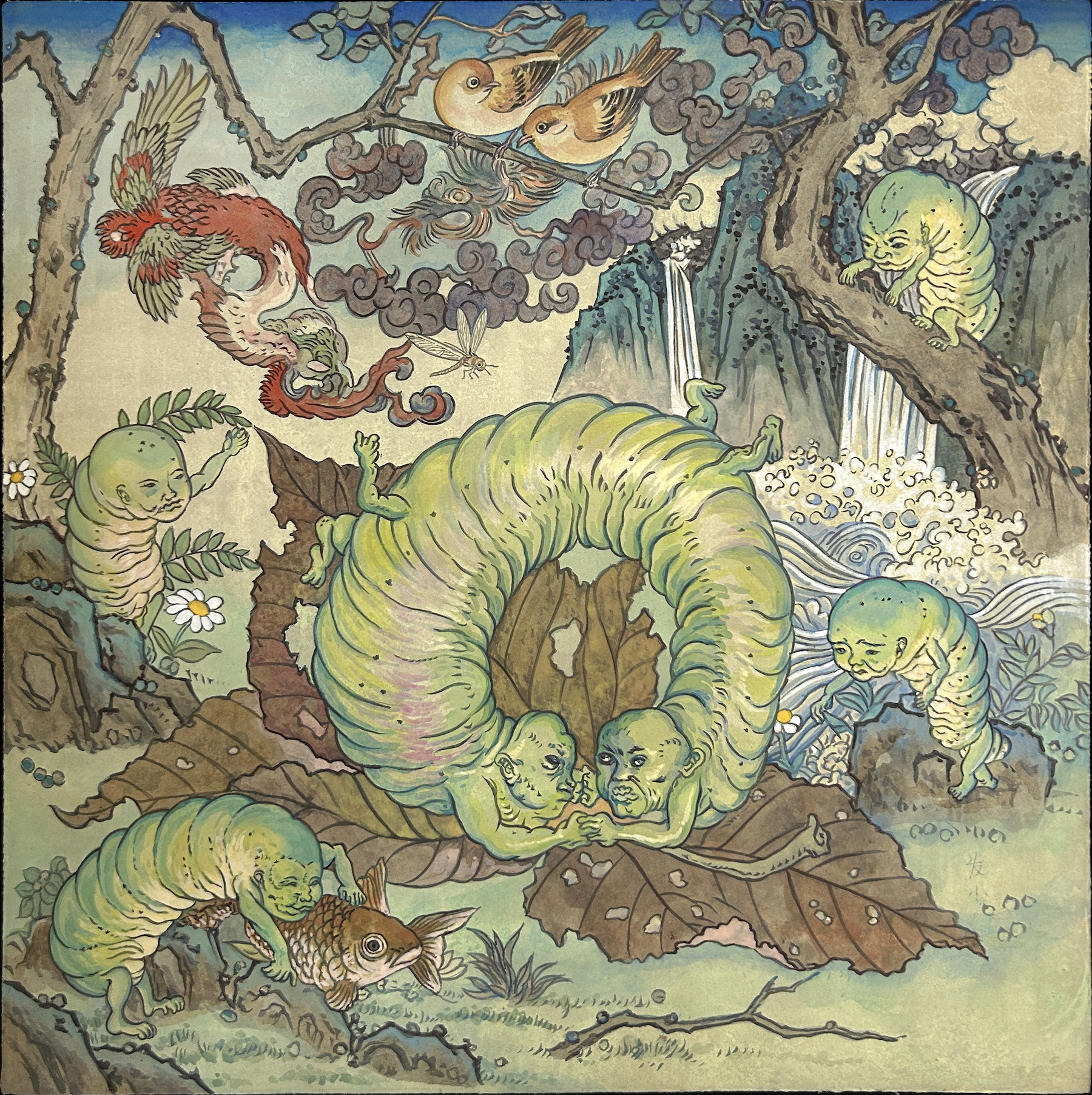
Yu Zhitong, The Origin, mineral pigment on clay 30x30 cm, 2026
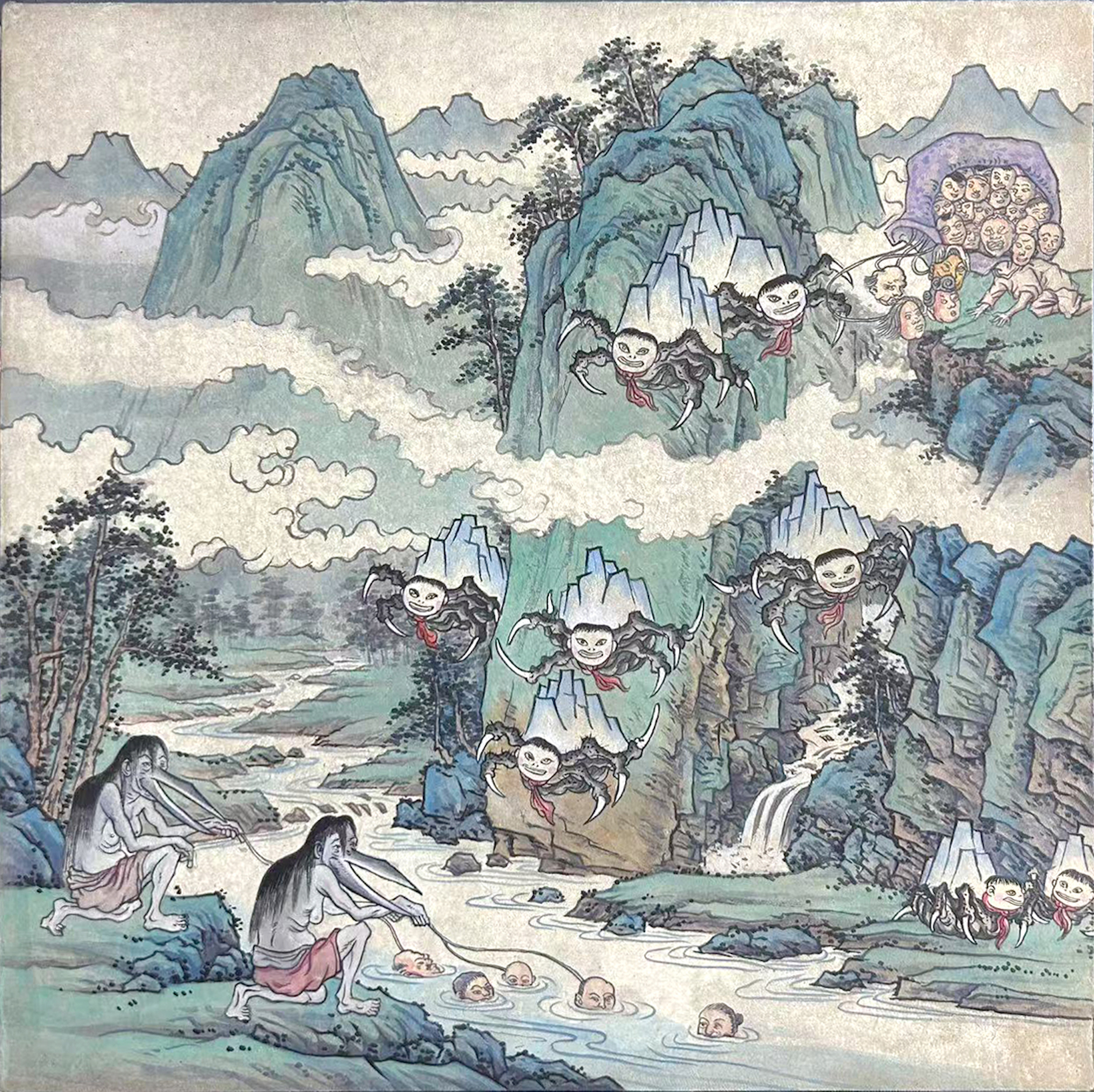
Yu Zhitong, The Scared Ducks. mineral pigment on clay 30x30 cm, 2026
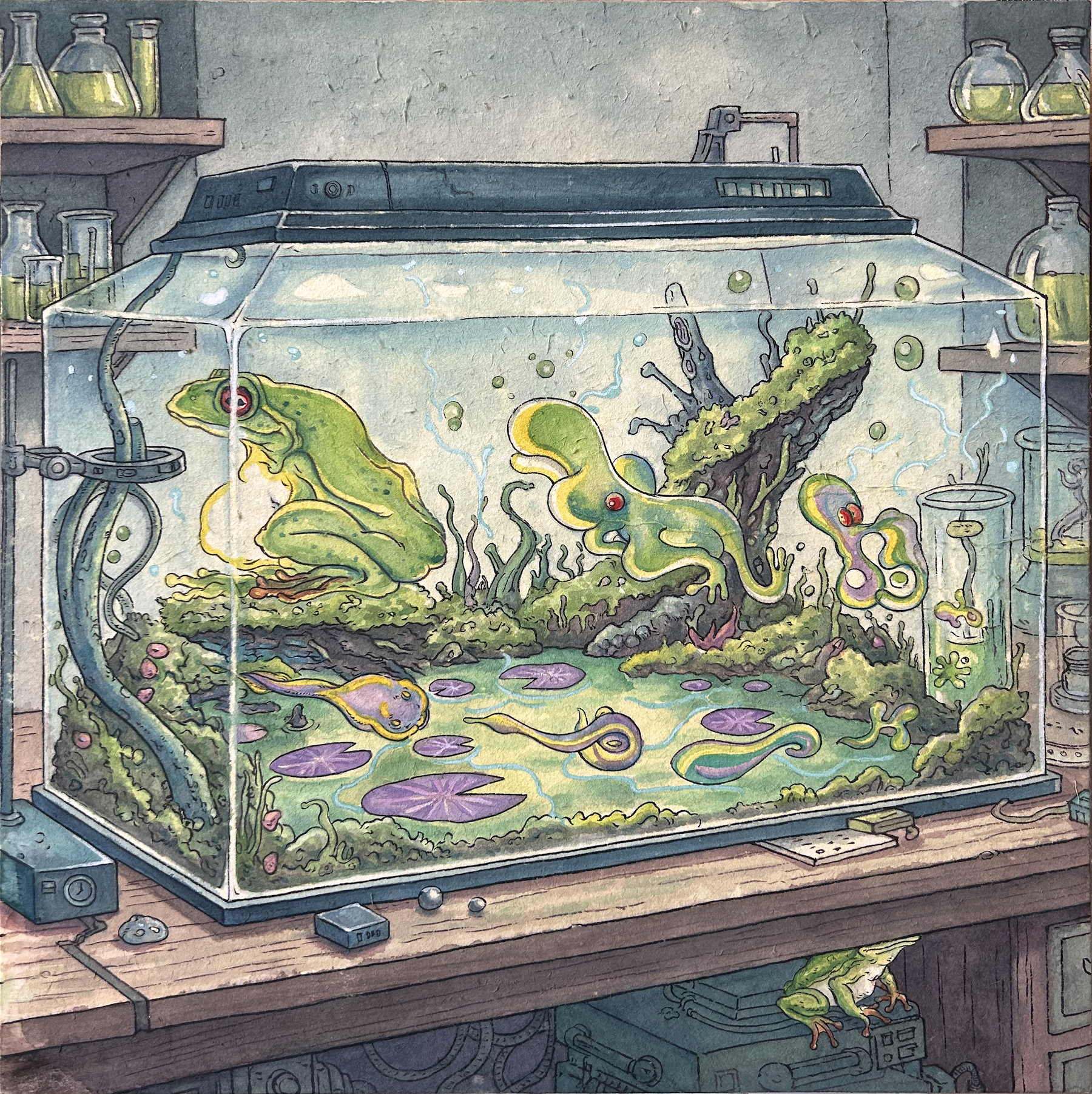
Yu Zhitong, Fate, mineral pigment on clay 30 x 30 cm 2026
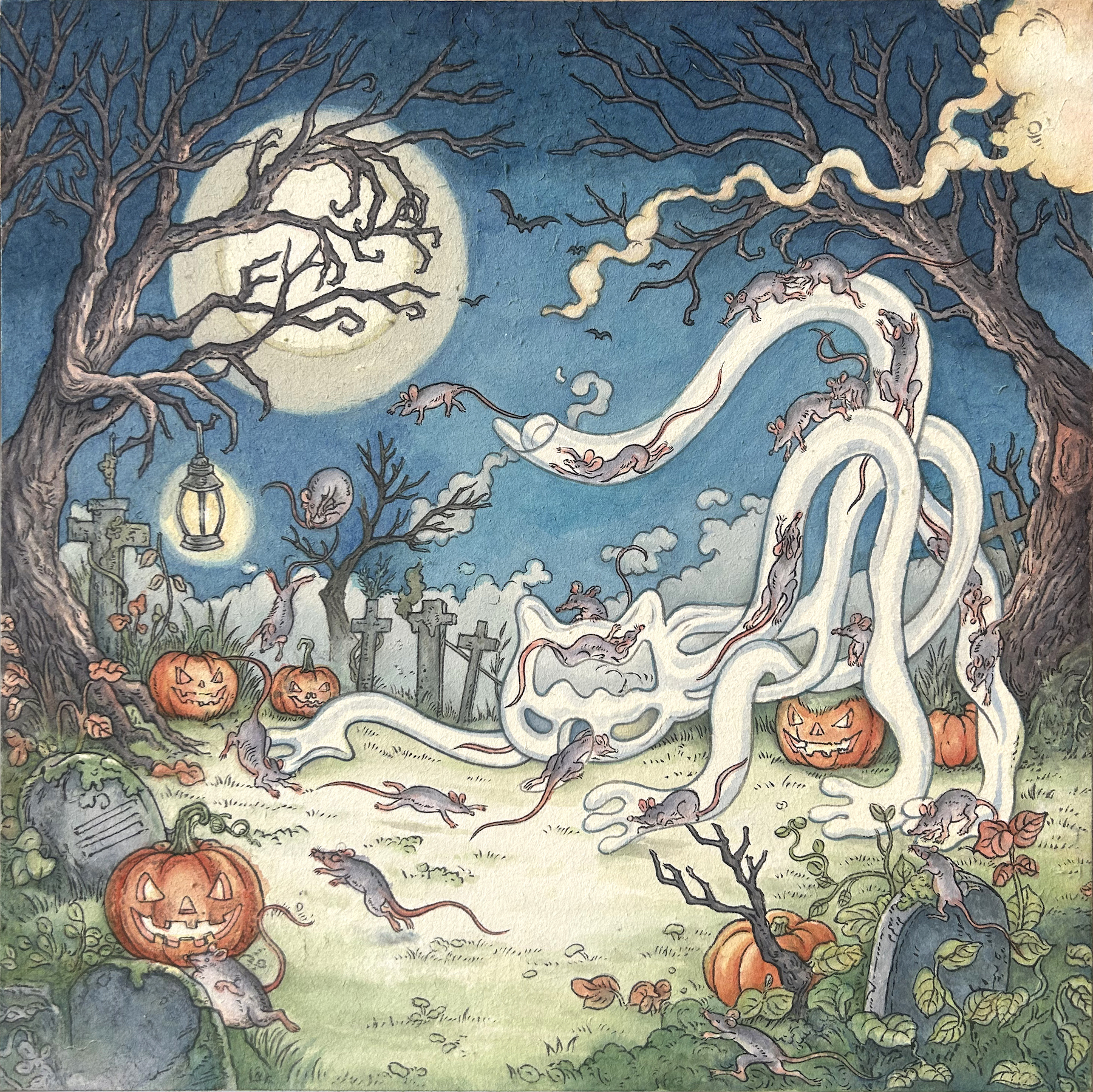
Yu Zhitong, Halloween, mineral pigment on clay 30x30 cm, 2026
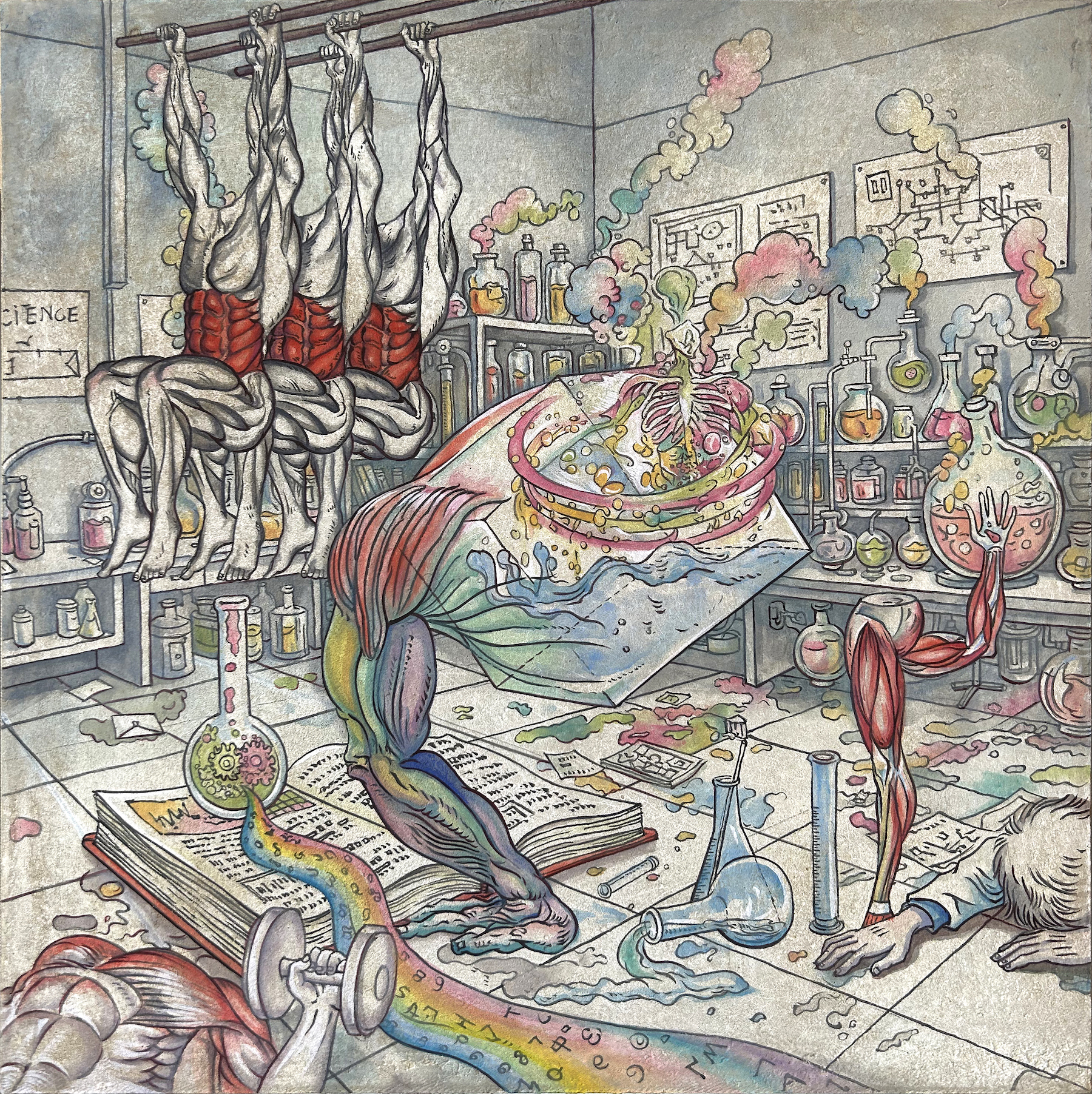
Yu Zhitong, The Origin, mineral pigment on clay 30x30 cm, 2026
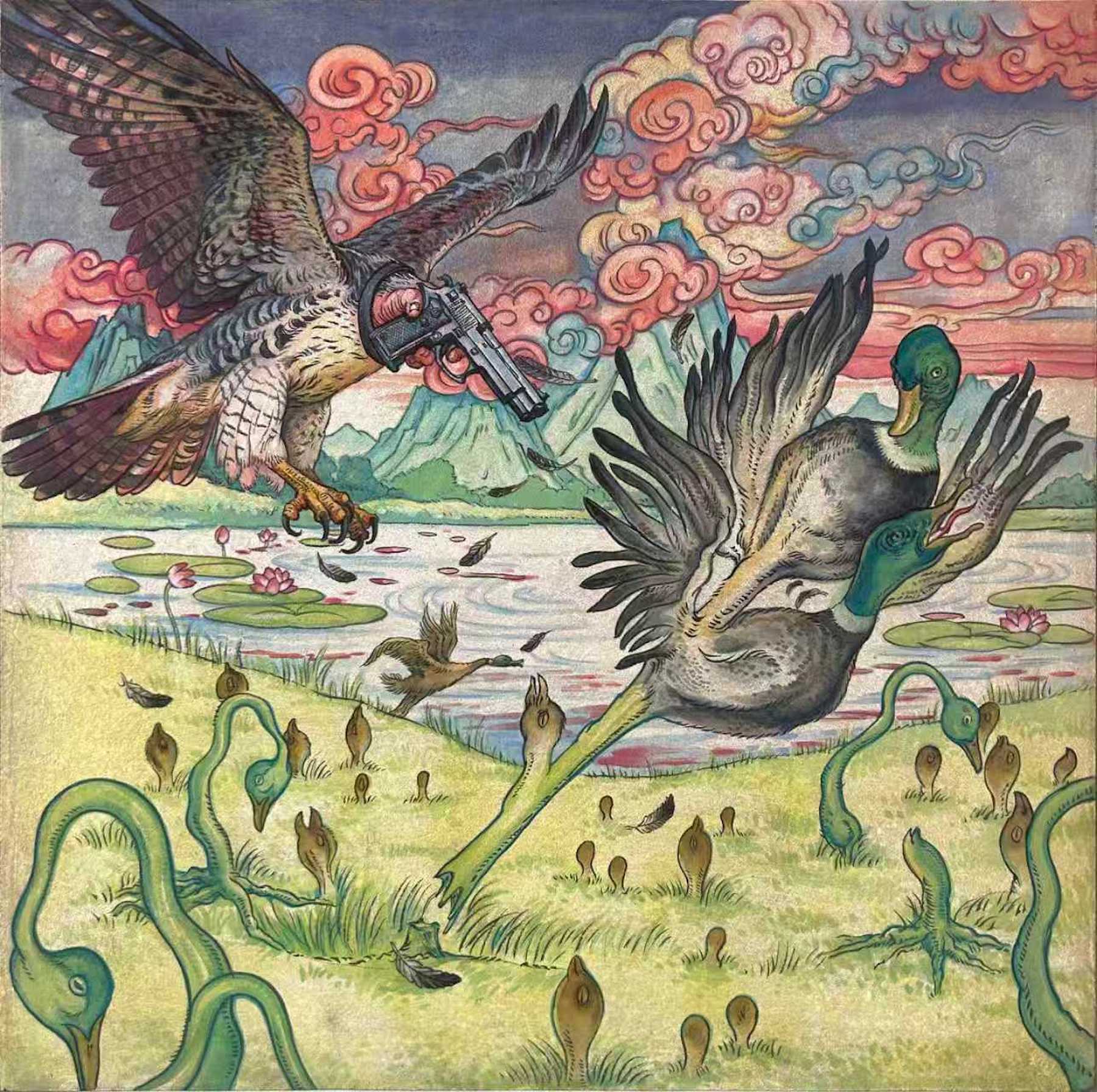
Yu Zhitong, The Scared Ducks. mineral pigment on clay 30x30 cm, 2026
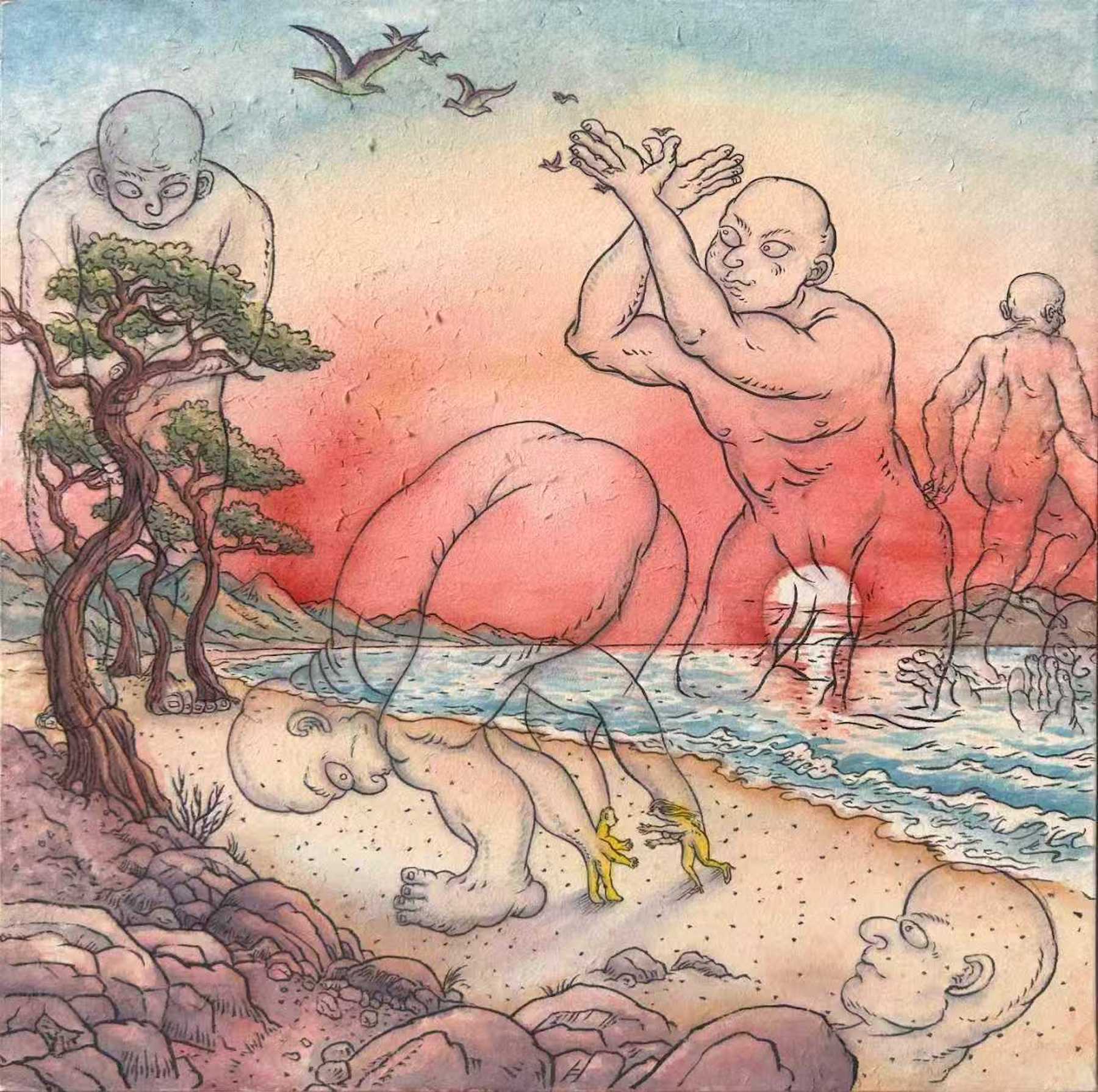
Yu Zhitong, Fate, mineral pigment on clay Yu Zhitong, Fate, mineral pigment on clay 30 x 30 cm 2026
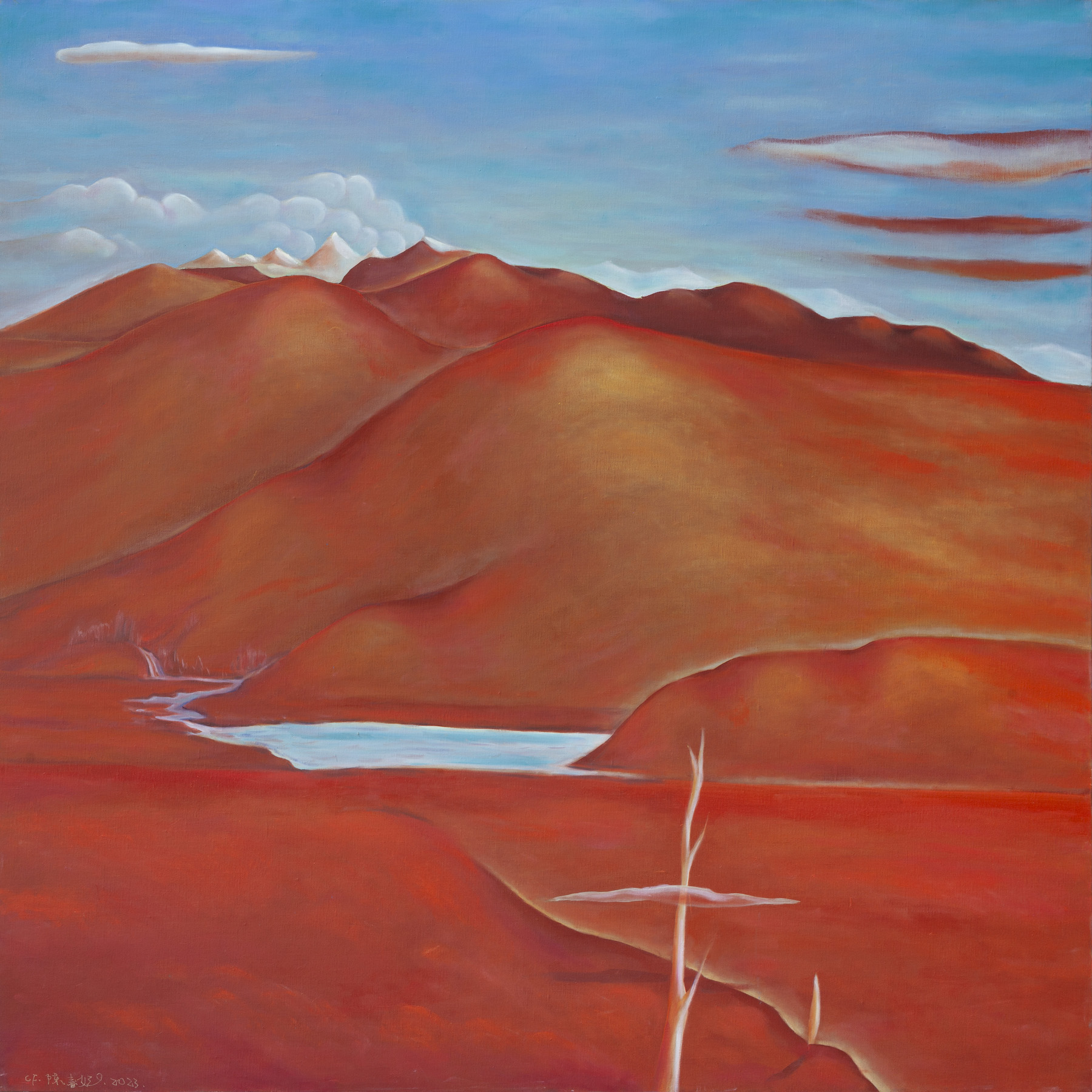
Chen Chunfei, A Tander Breeze, Oil on canvas 120x120 cm 2024
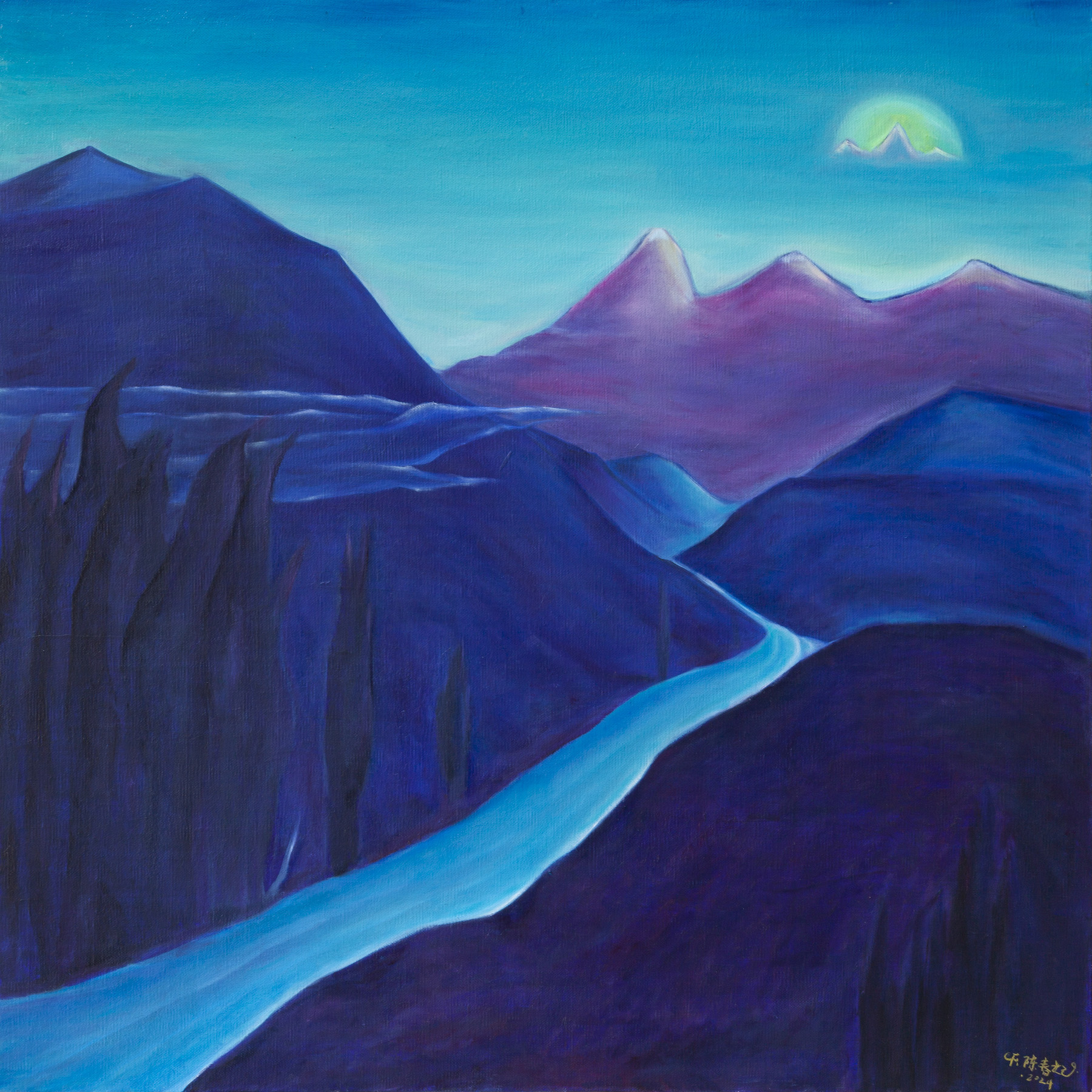
Chen Chunfei, When tree shadows deepen, the night grows light, Oil on Canvas 120x120 cm 2024
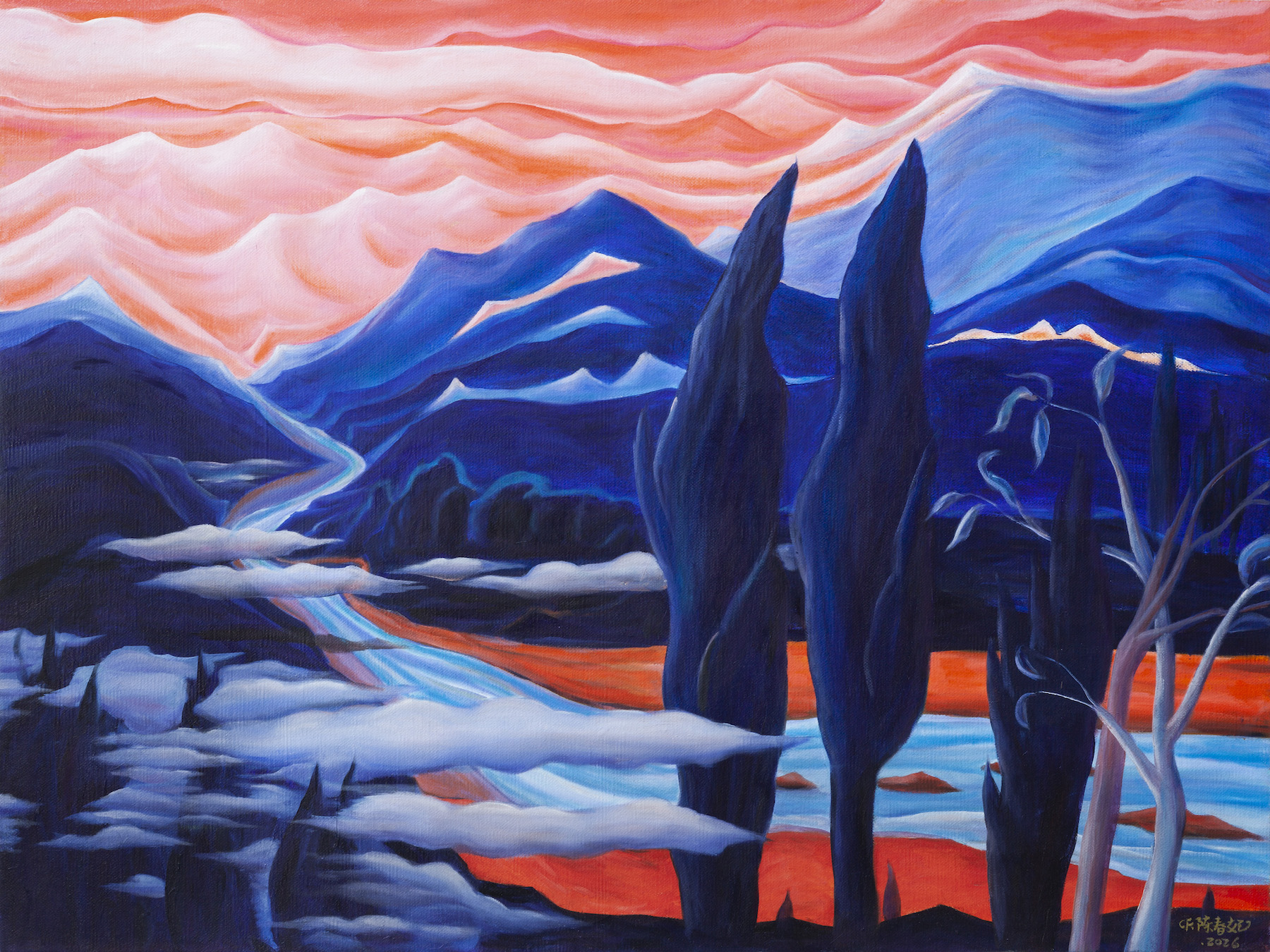
Chen Chunfei, Homecoming Among the Shifting Greens, Oil on Canvas 90x120 cm 2026
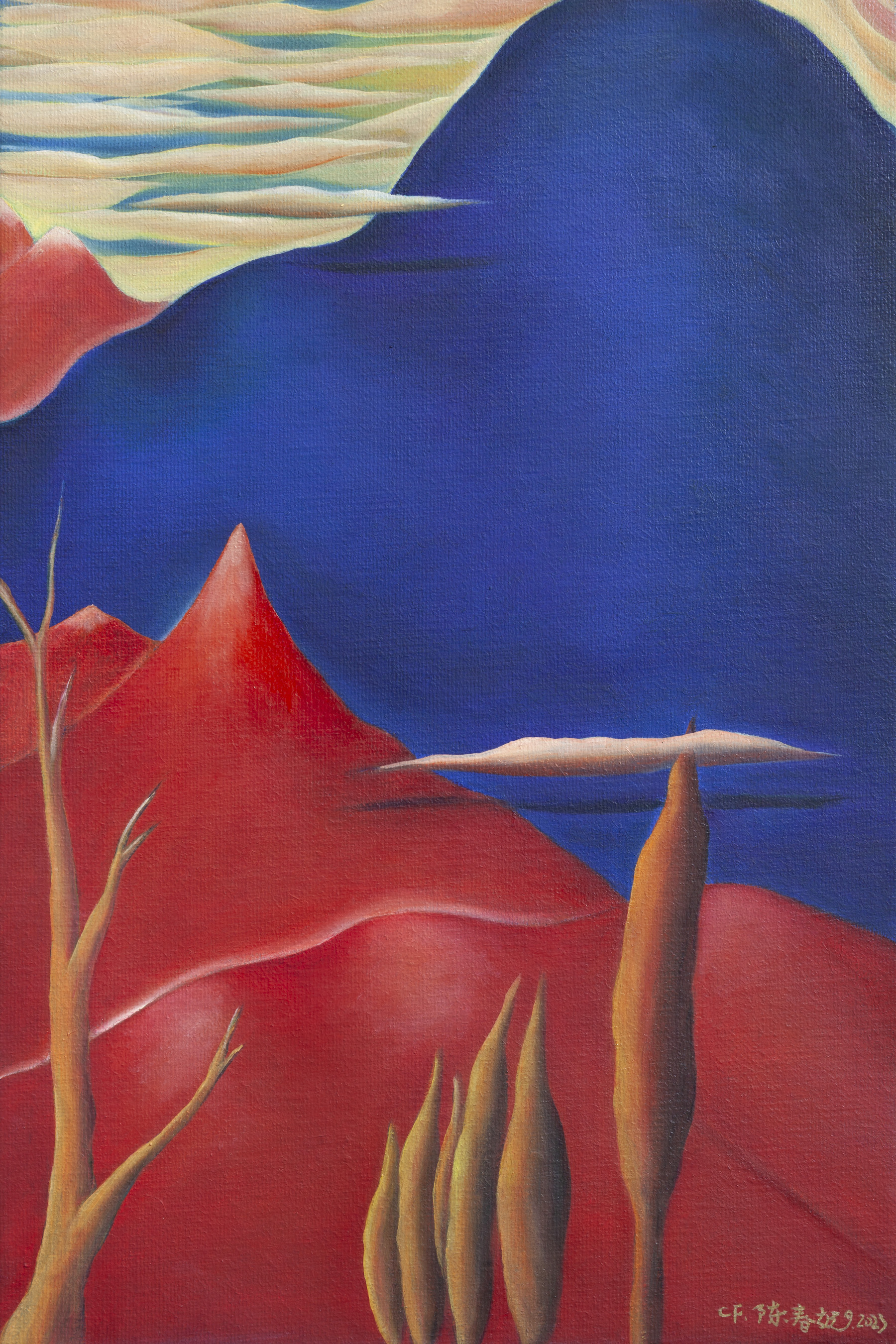
Chen Chunfei, The Landscape with a Forgotten Name -23, Oil on Canvas 90x60 cm 2023
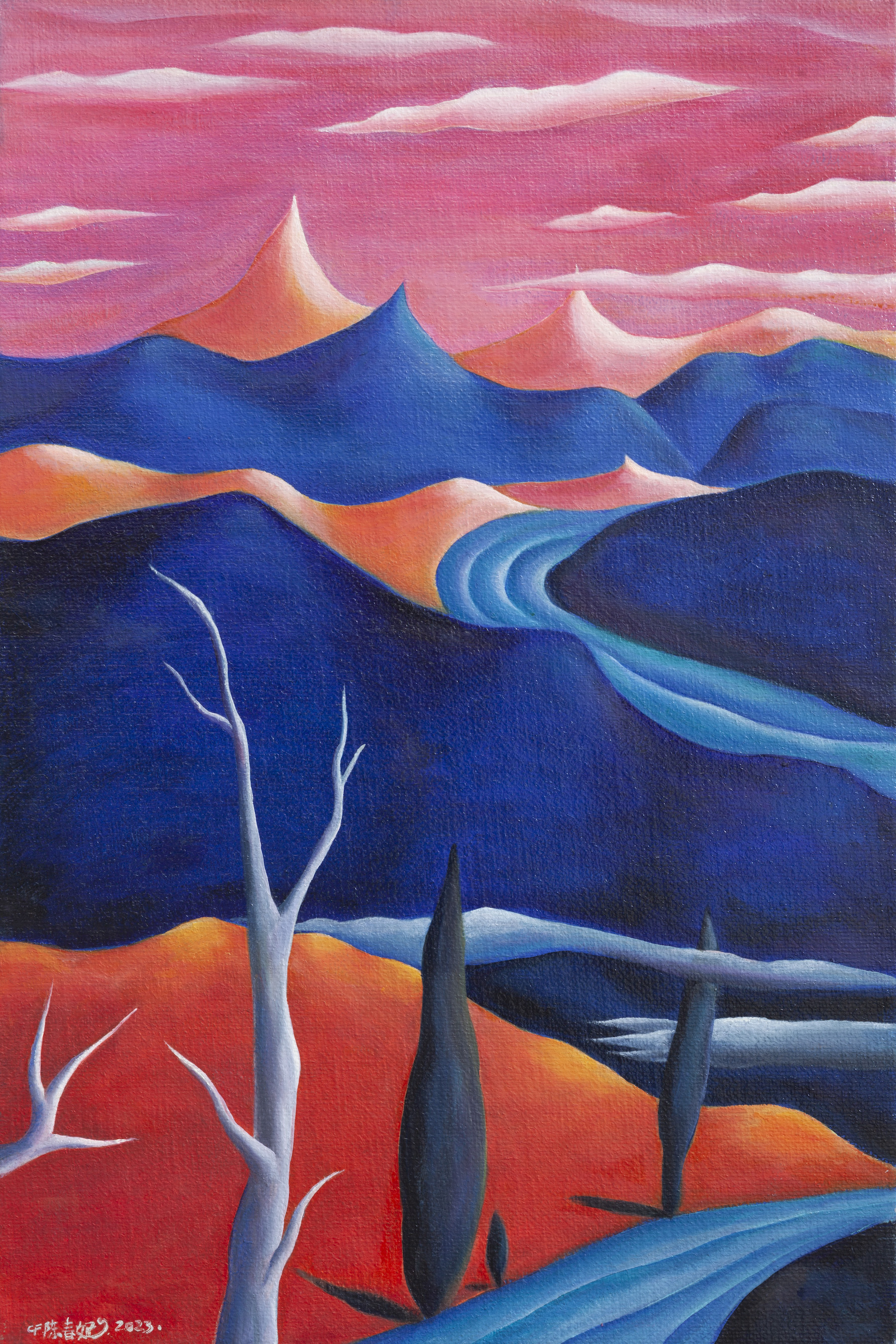
Chen Chunfei, The Landscape with a Forgotten Name -24 Oil on Canvas 90x60 cm 2023
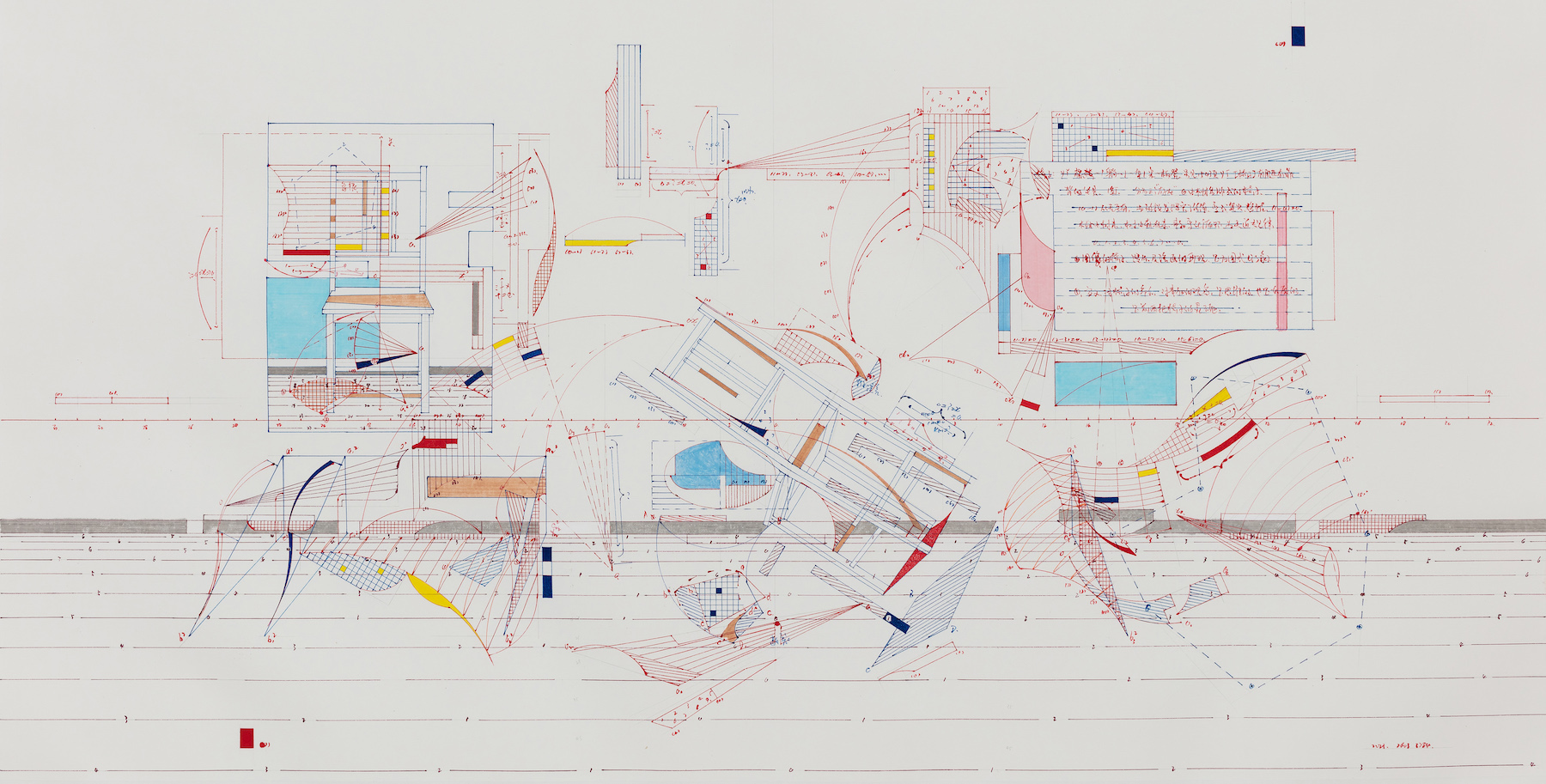
Ling Haipeng, A Chair, Ink on paper 69.5×137.5 cm 2021
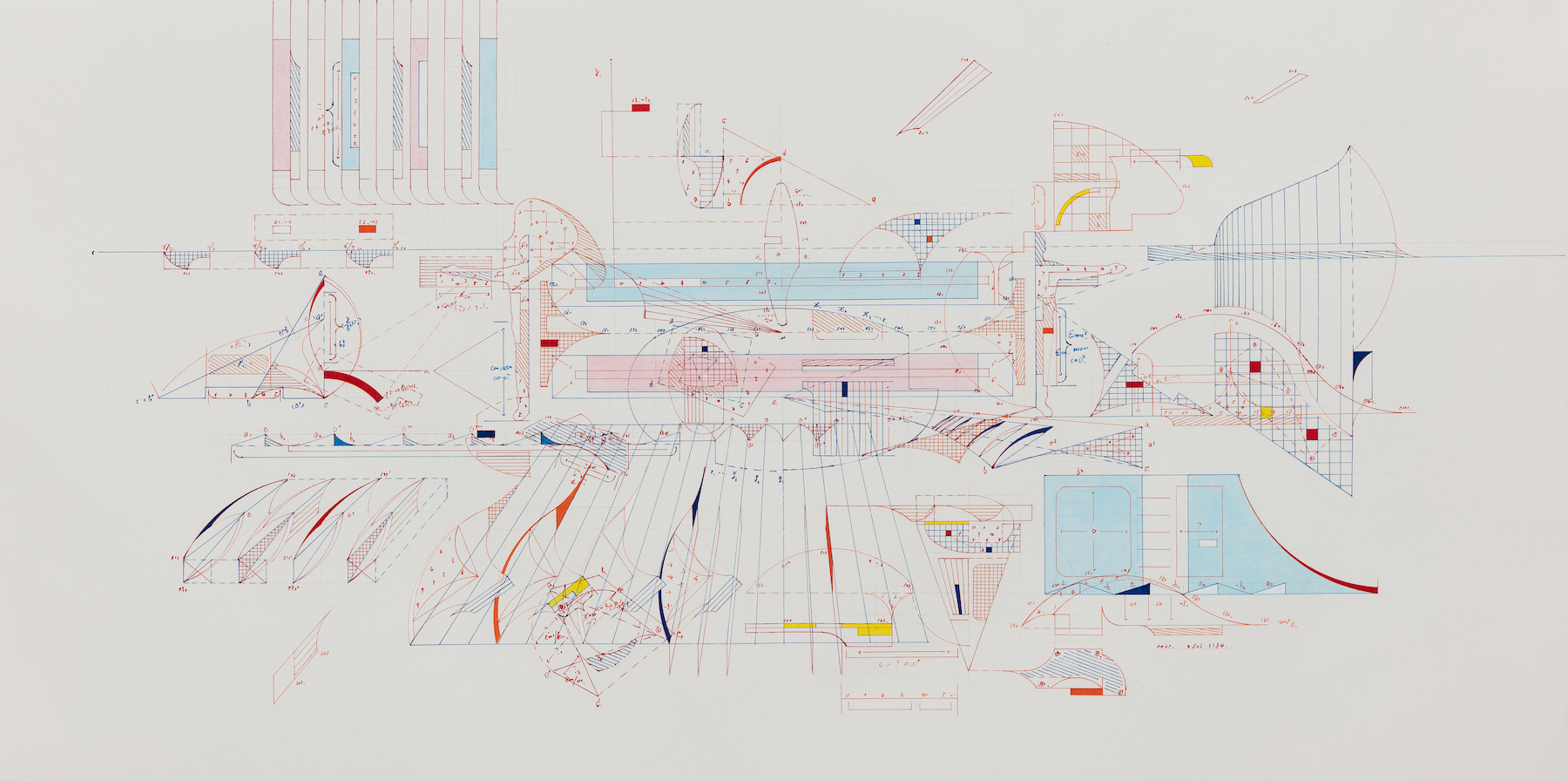
Ling Haipeng, Echo, Ink on paper 69.5×137.5 cm 2021
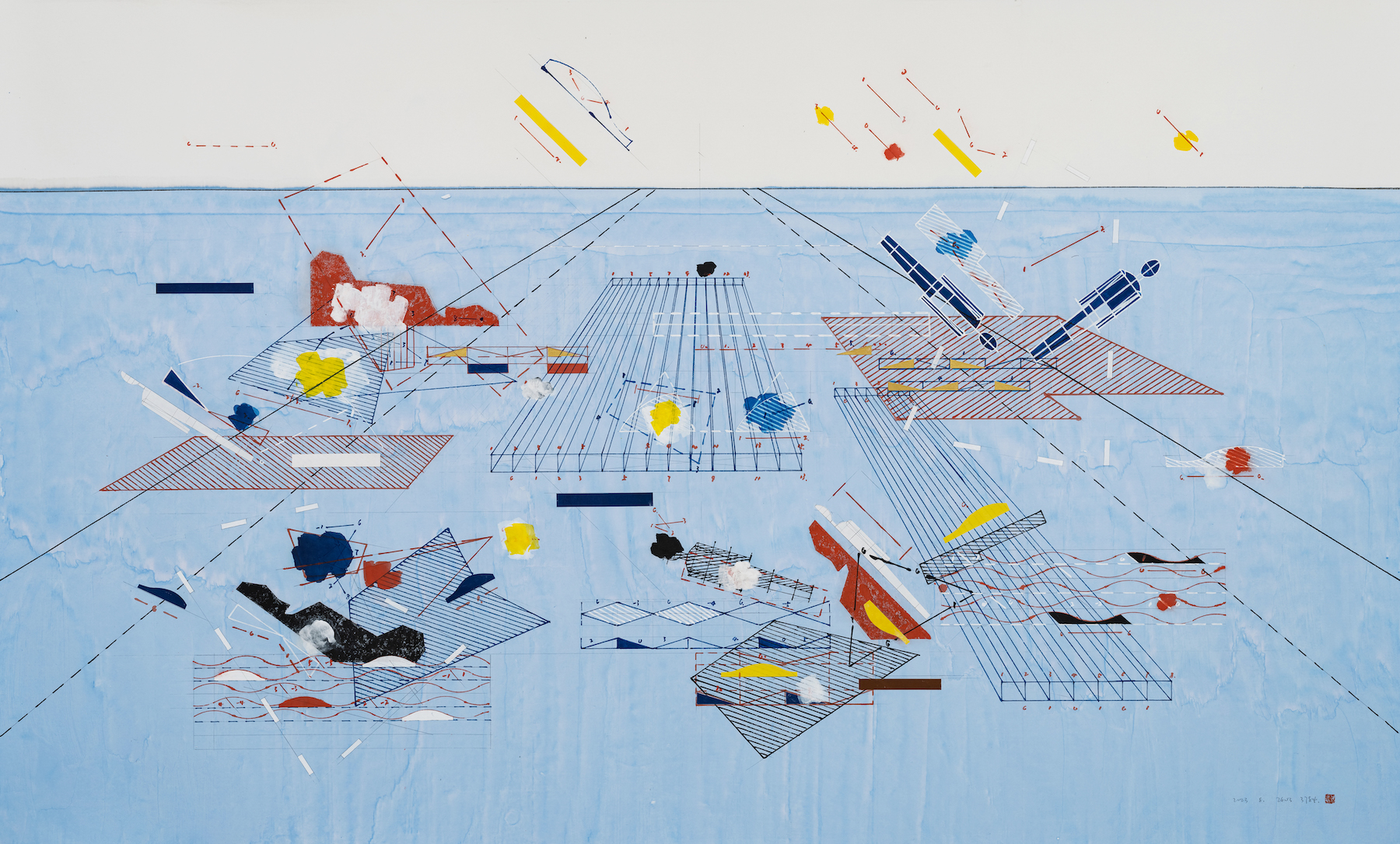
Ling Haipeng, How do you cope with nothingness and lifeness, Ink and mixed media on paper 97×162 cm 2023
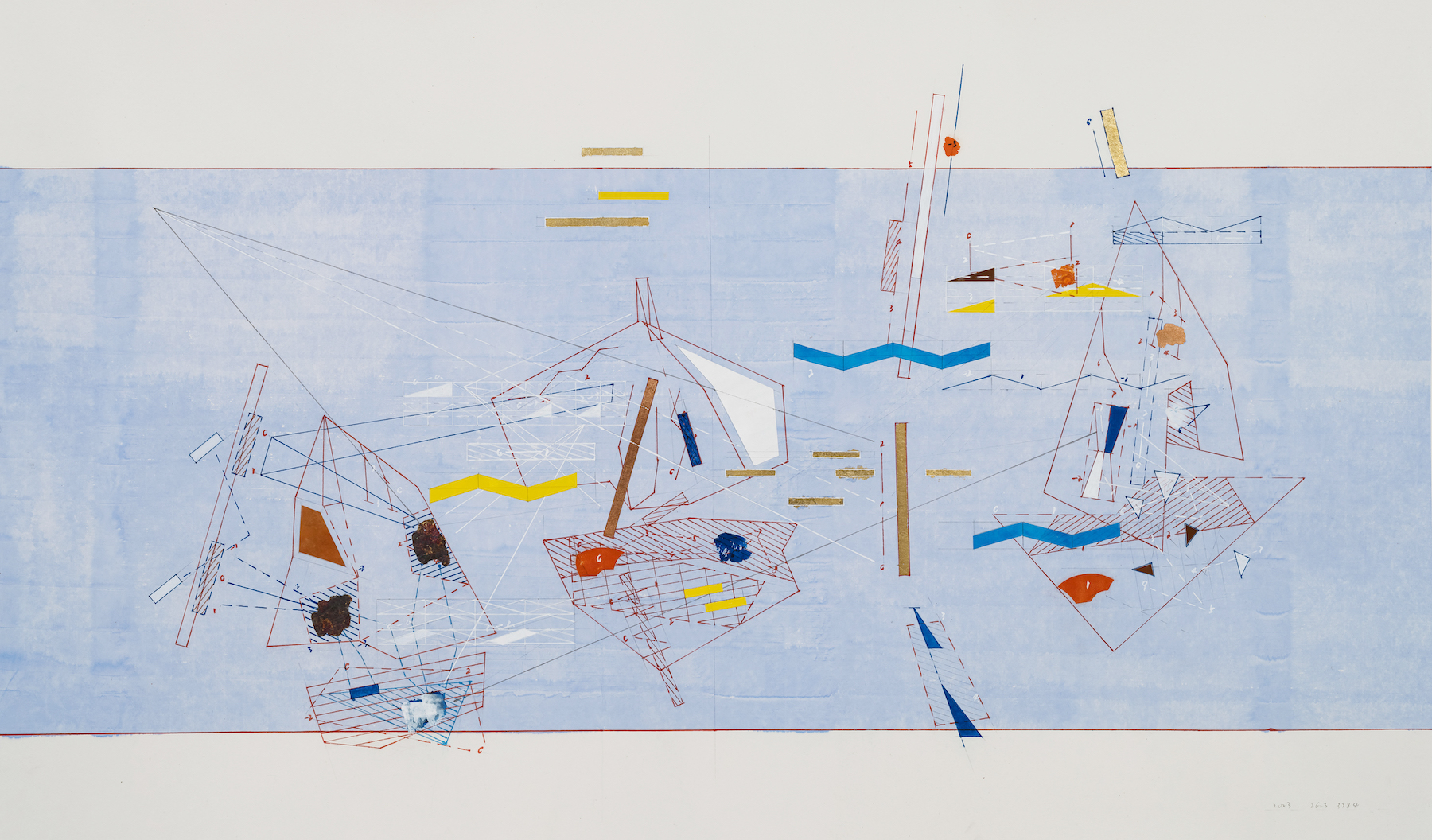
Ling Haipeng, Lotus, Ink on paper 69×118 cm 2023
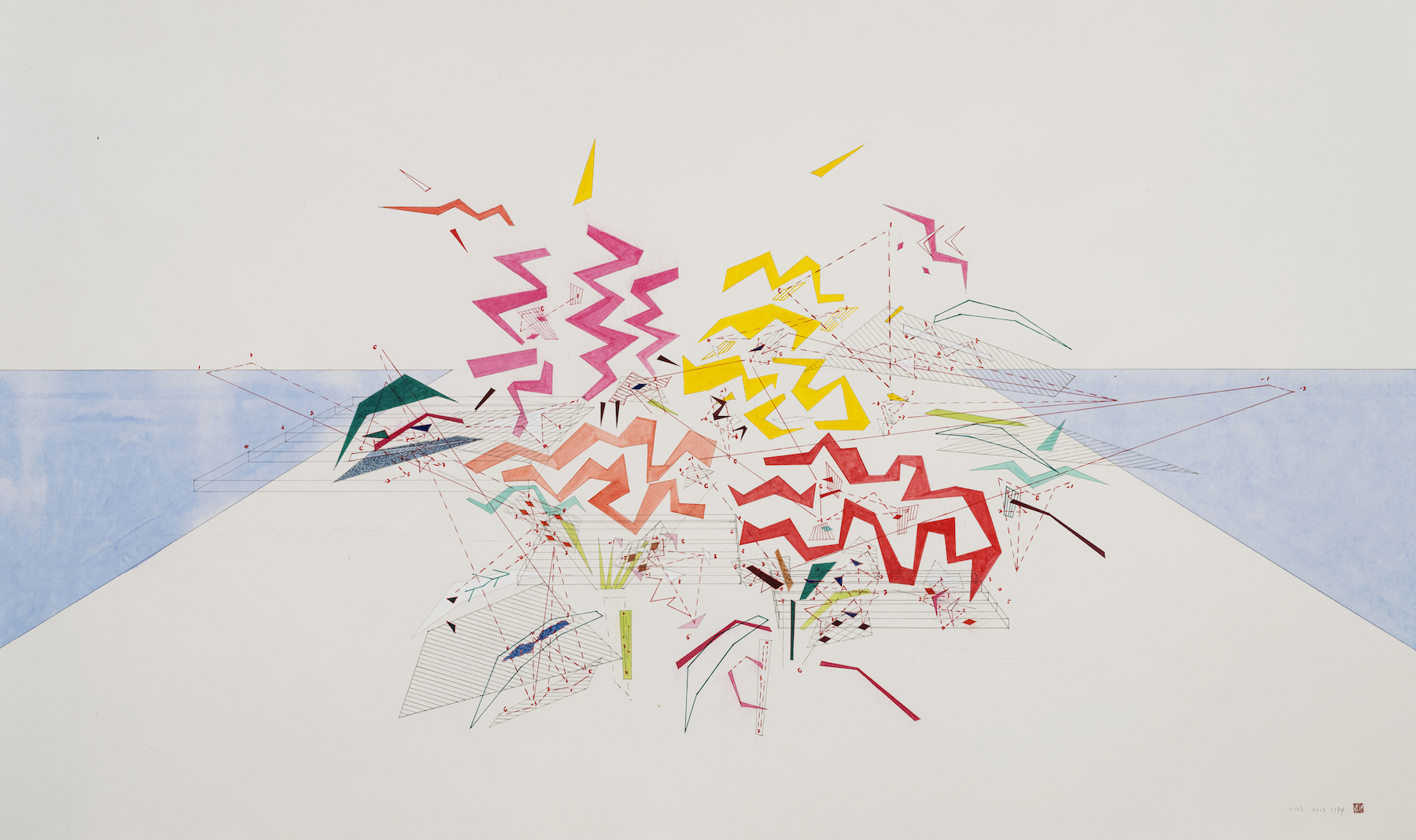
Ling Haipeng, Cockscomb Flower, Ink on paper 97×162 cm 2023
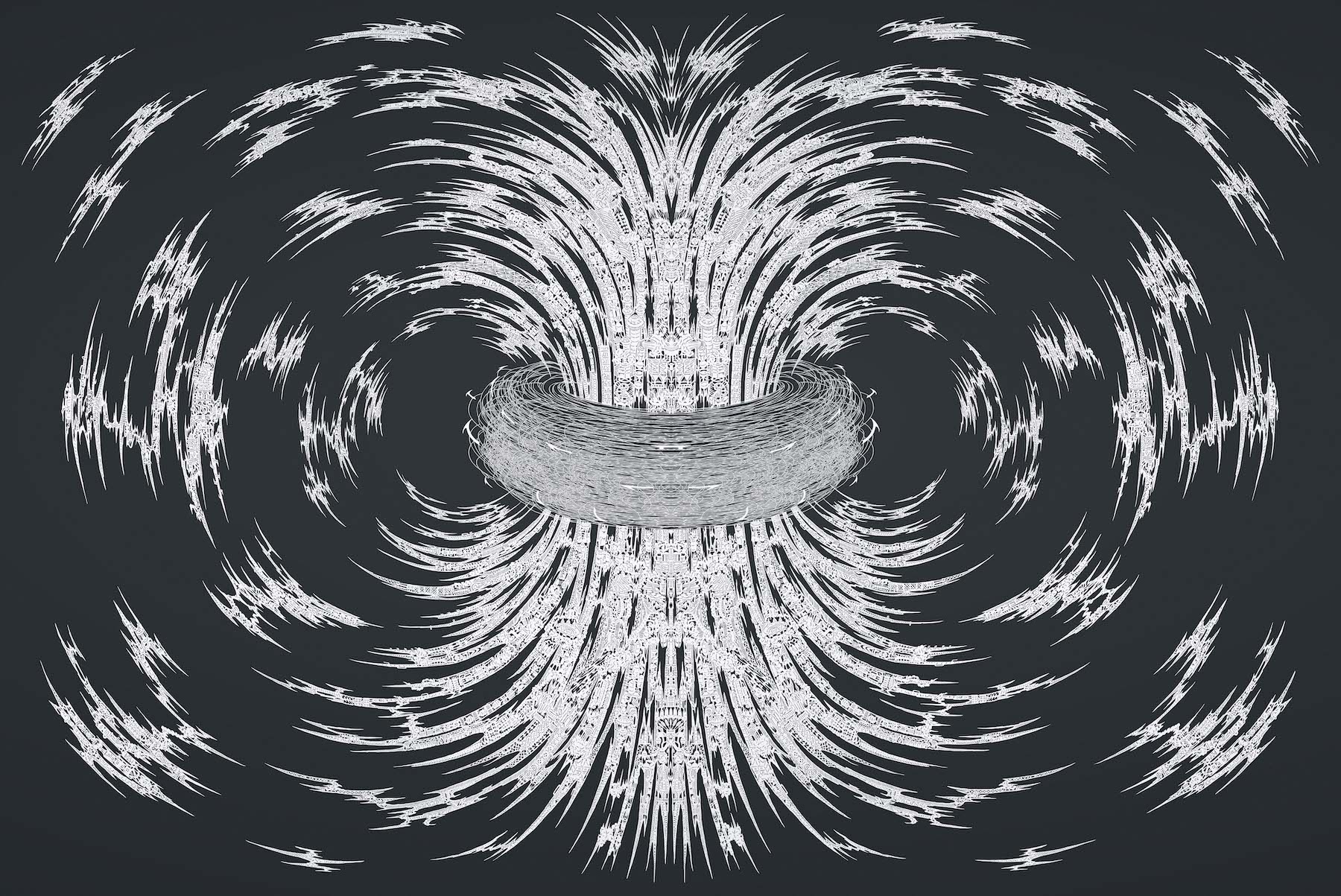
Tang Zhengwei, Endless,Acrylic on canvas, hand paper cut 200 x 300 cm 2020-2022
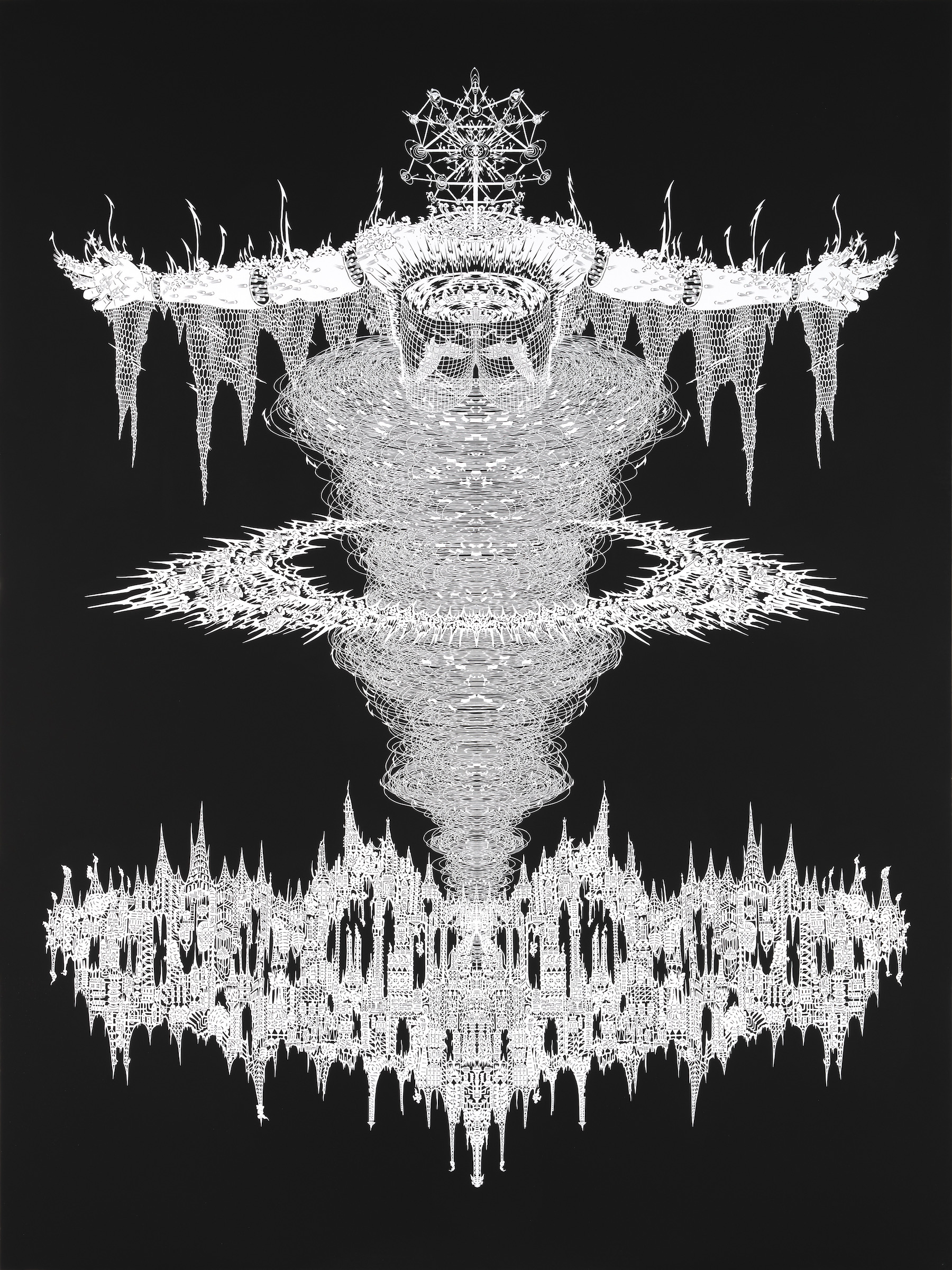
Tang Zhengwei, Connect the forces of nature and human, Acrylic on canvas, hand paper cut 200 x 150 cm 2020-2022
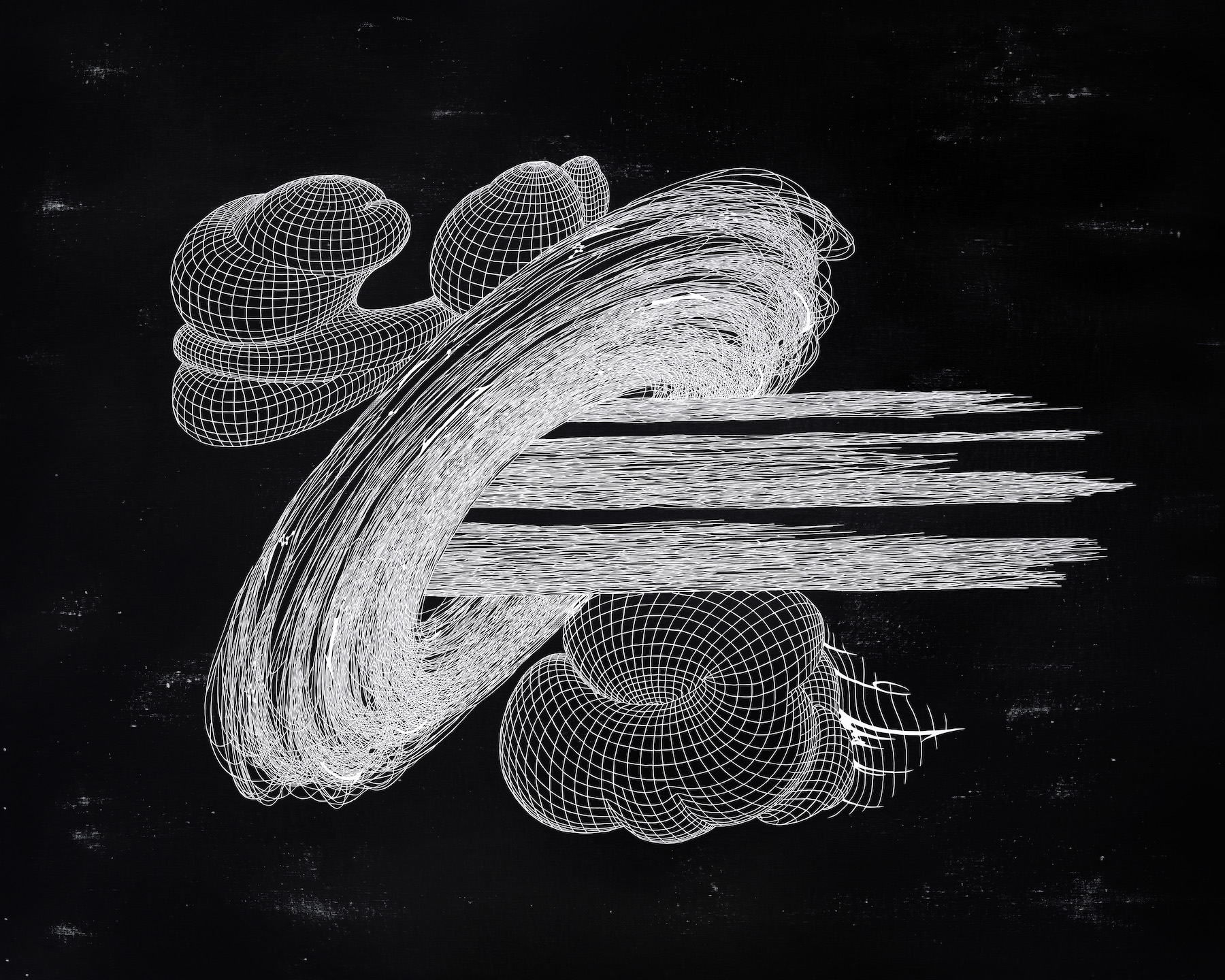
Tang Zhengwei, Deep Space No.3 , Acrylic on canvas & hand paper cut 95 x 122 cm 2023
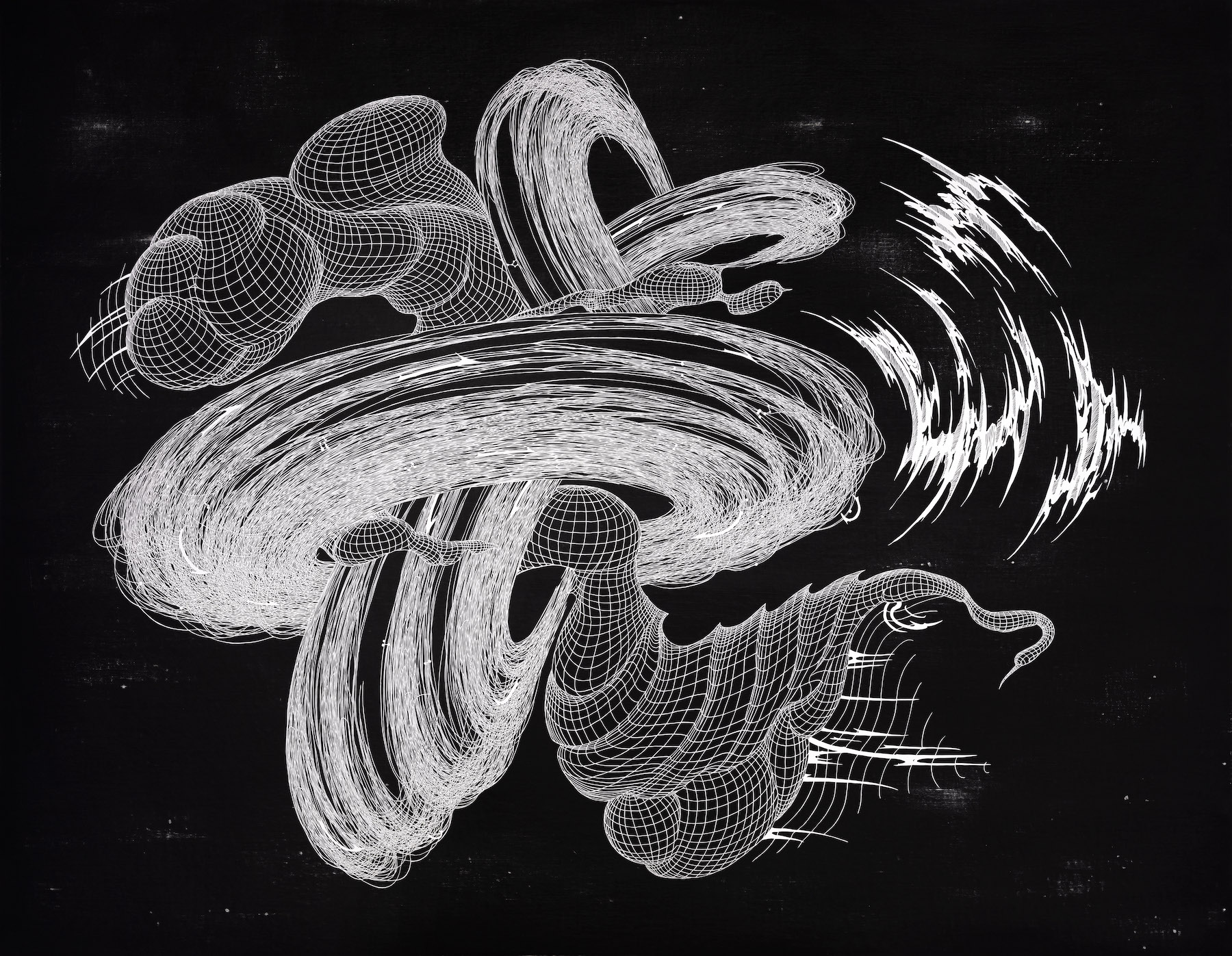
Tang Zhengwei, Deep Space No.4 , Acrylic on canvas & hand paper cut 95 x 122 cm 2023
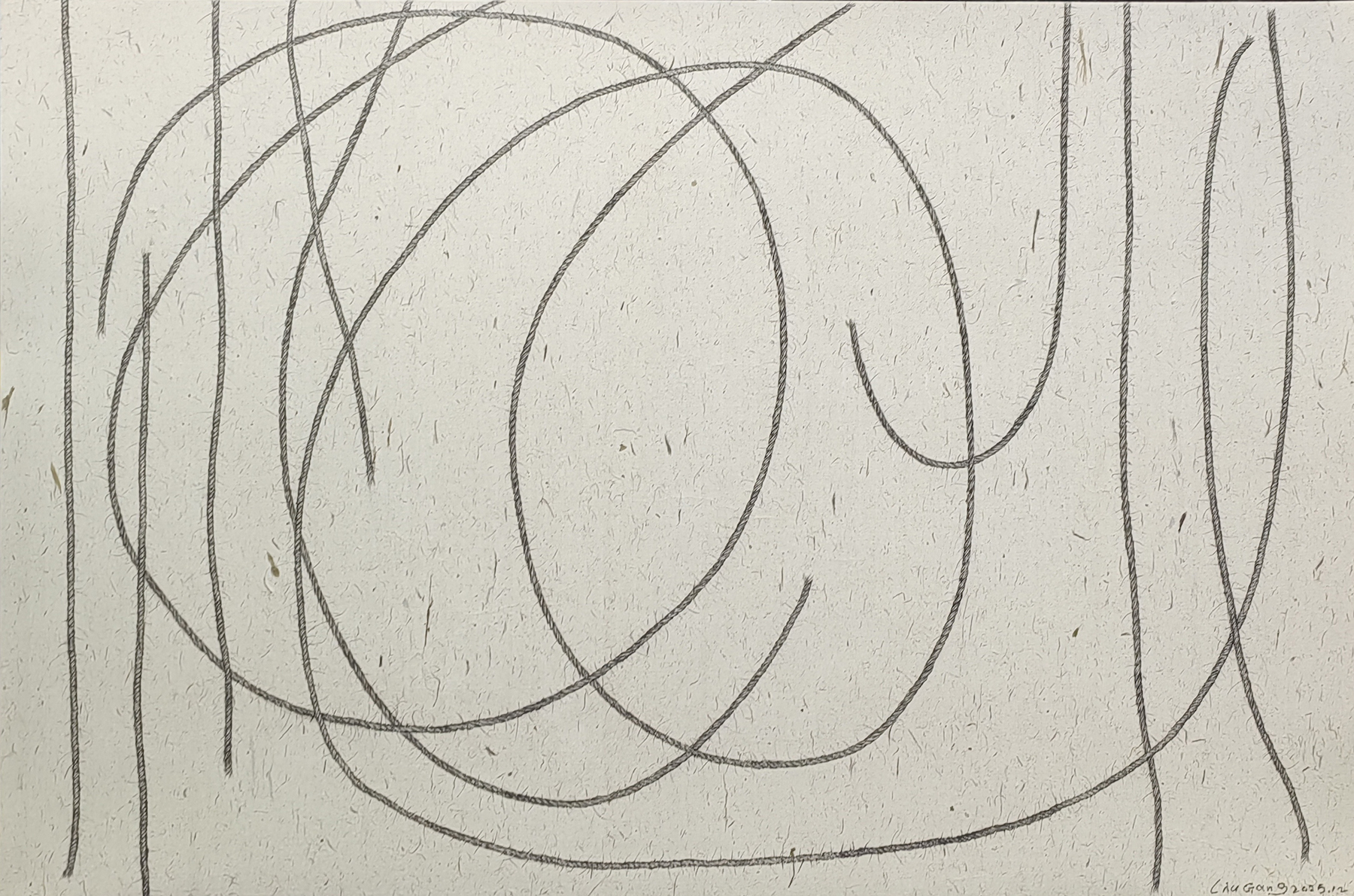
Liu Gang, Non-form No.3 Acrylic on canvas 100*150 cm 2025
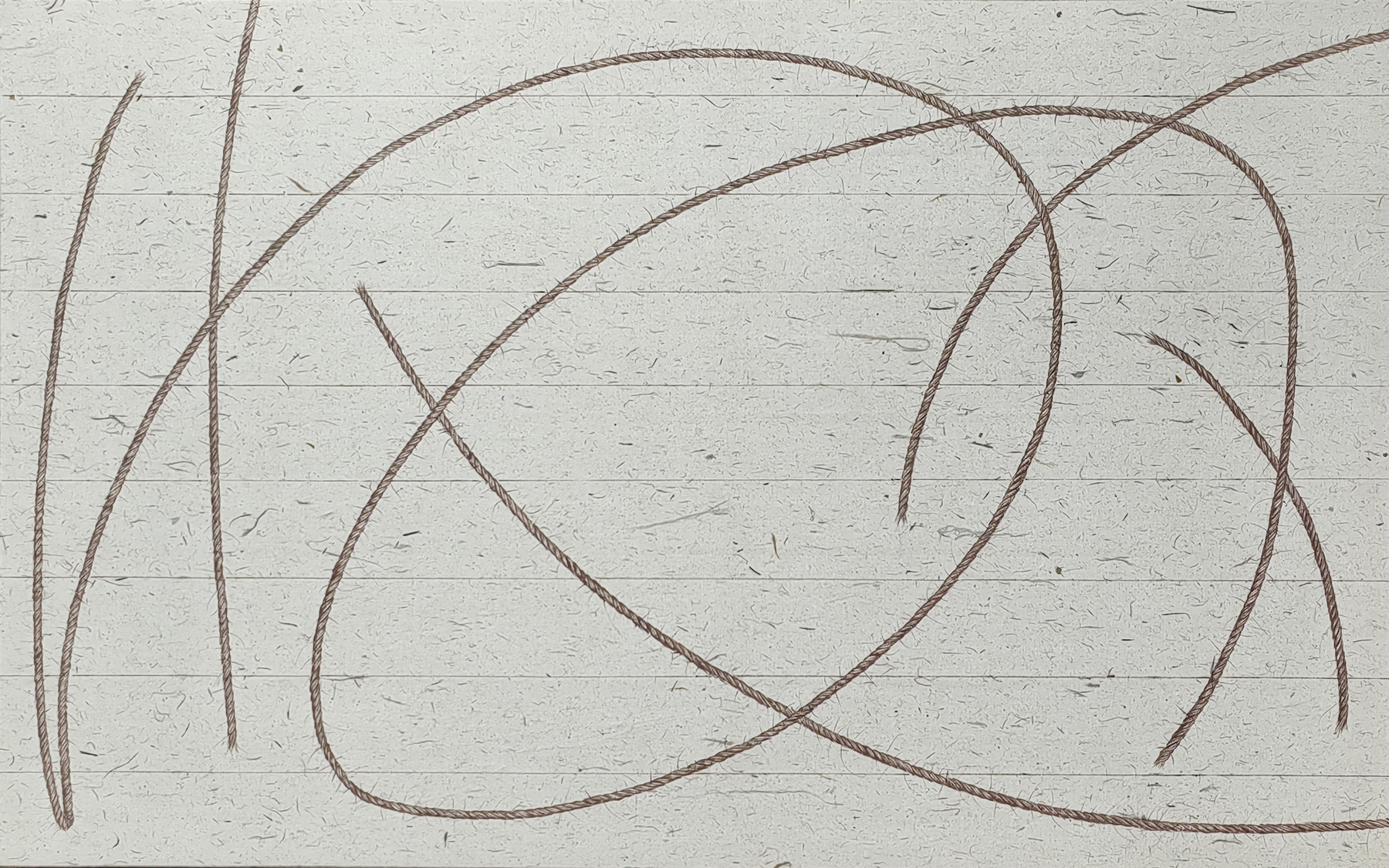
Liu Gang, Non-Form No.2, Acrylic on rice paper 70*110 cm 2015
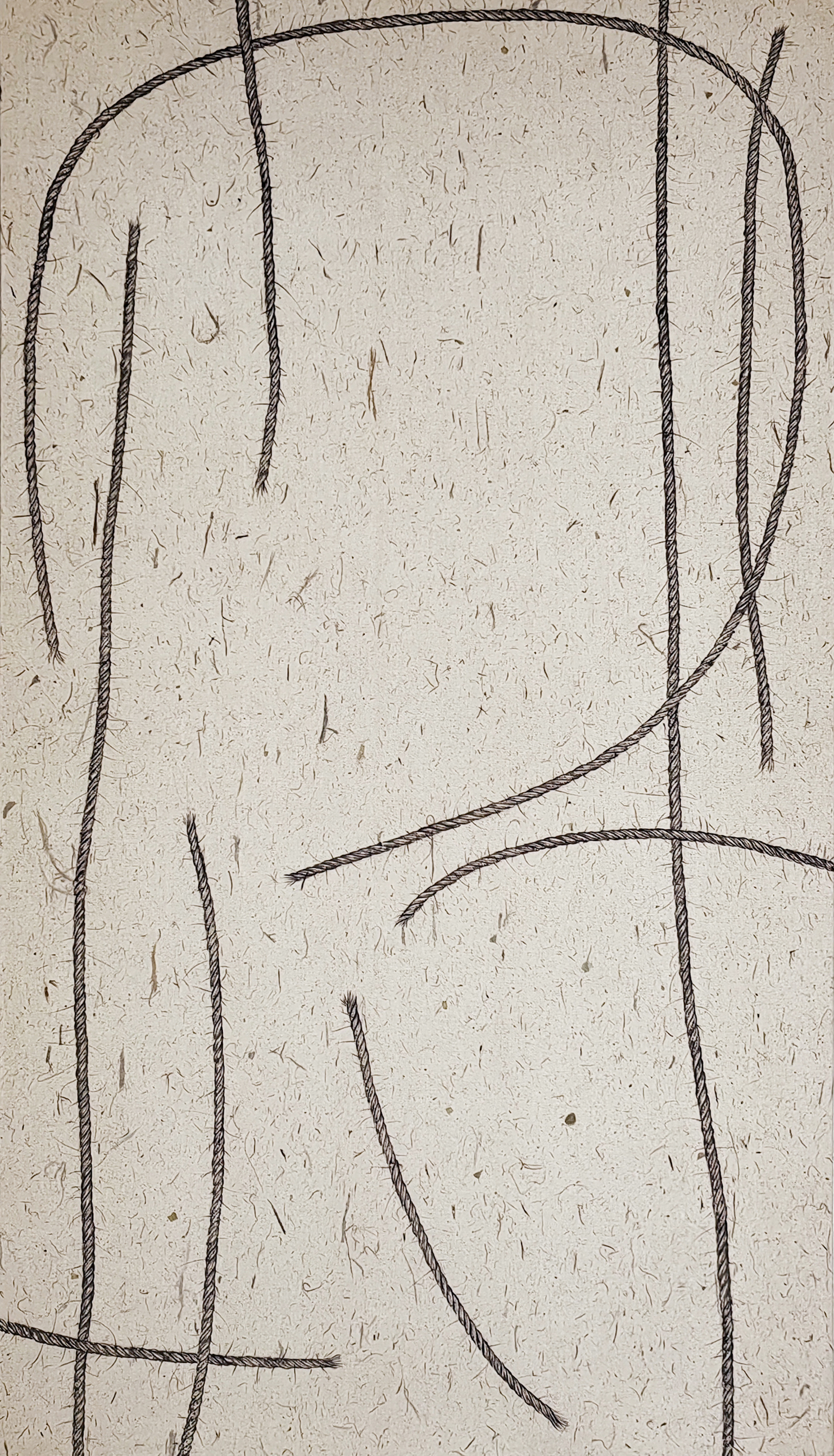
Liu Gang, Non-form No.1,Acrylic on canvas 60*110 cm 2025
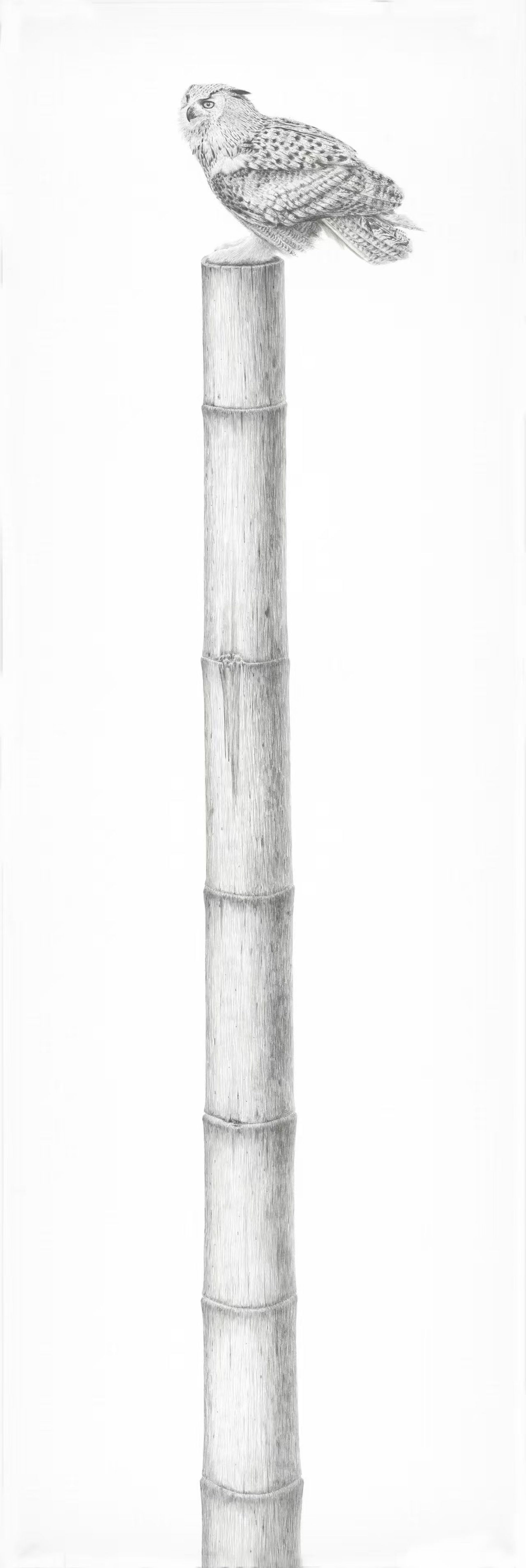
Liu Gang, Objects No.2, Pencil on Paper 150 x 50 cm 2025
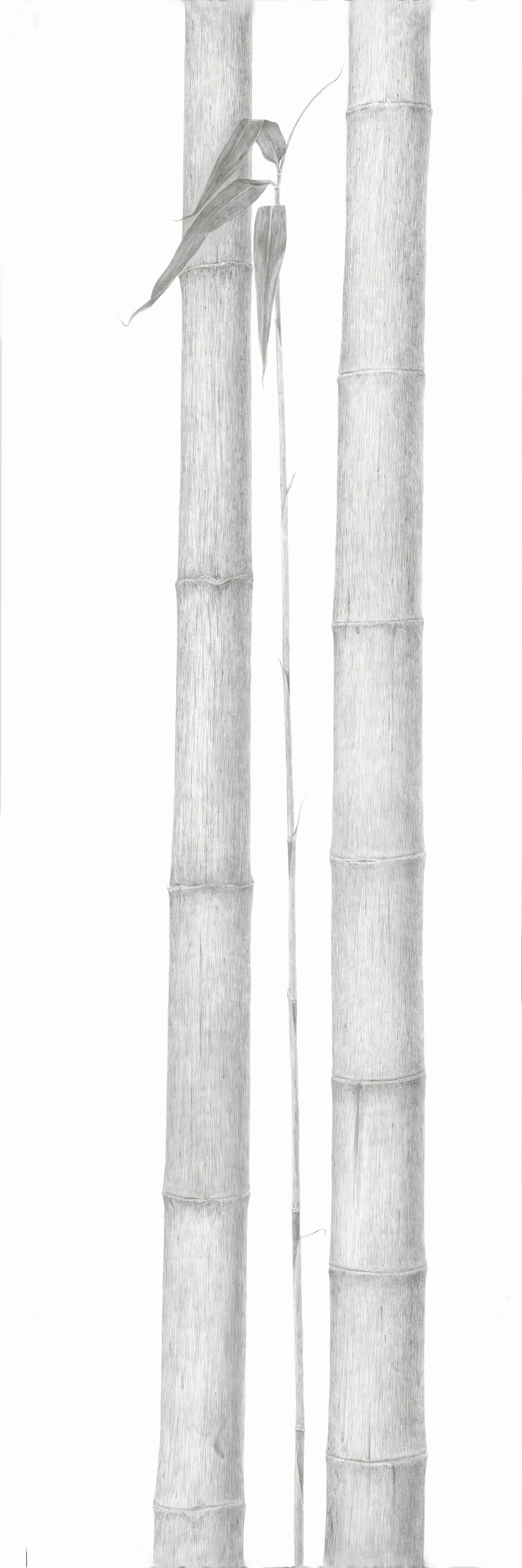
Liu Gang, Objects No.1, Pencil on Paper 150 x 50 cm 2025
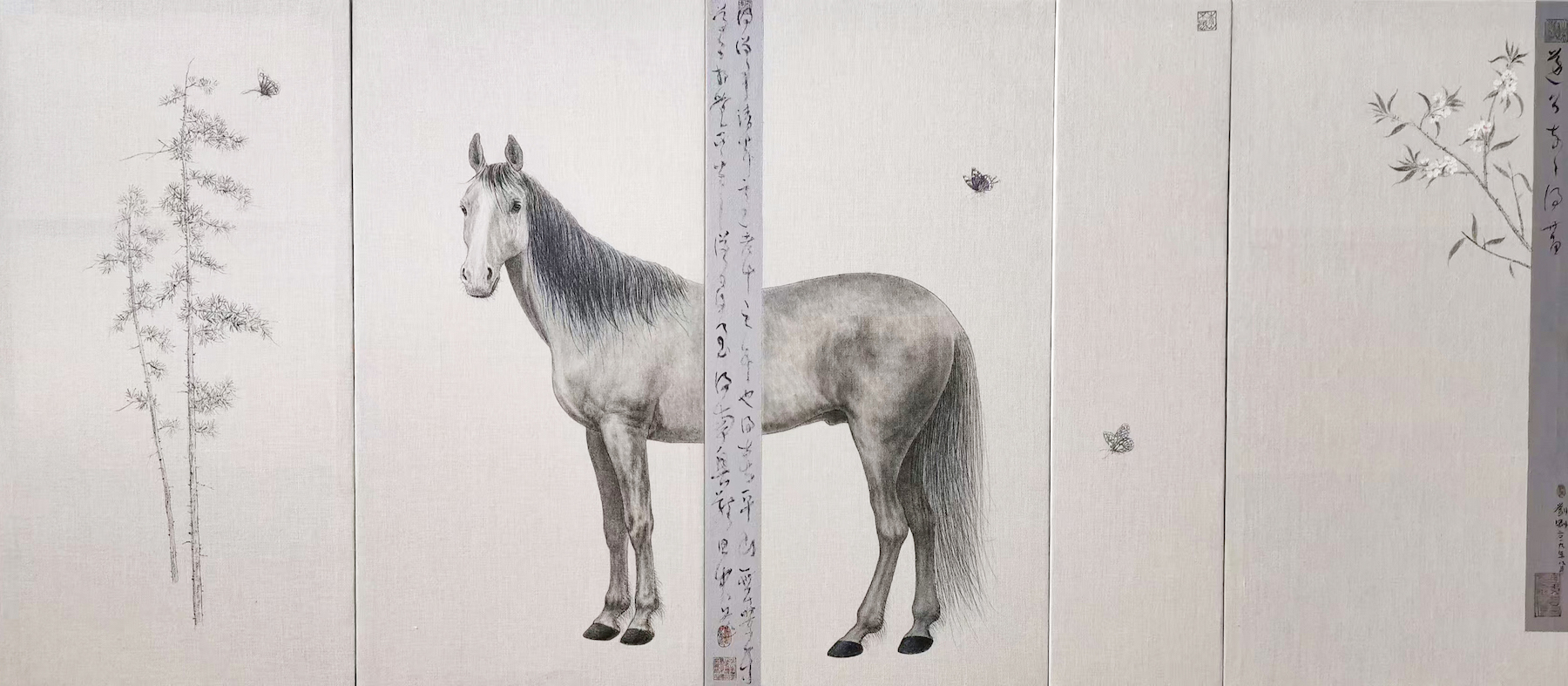
Liu Gang, Warm you, Oil on Canvas 120 x 270 cm 2025
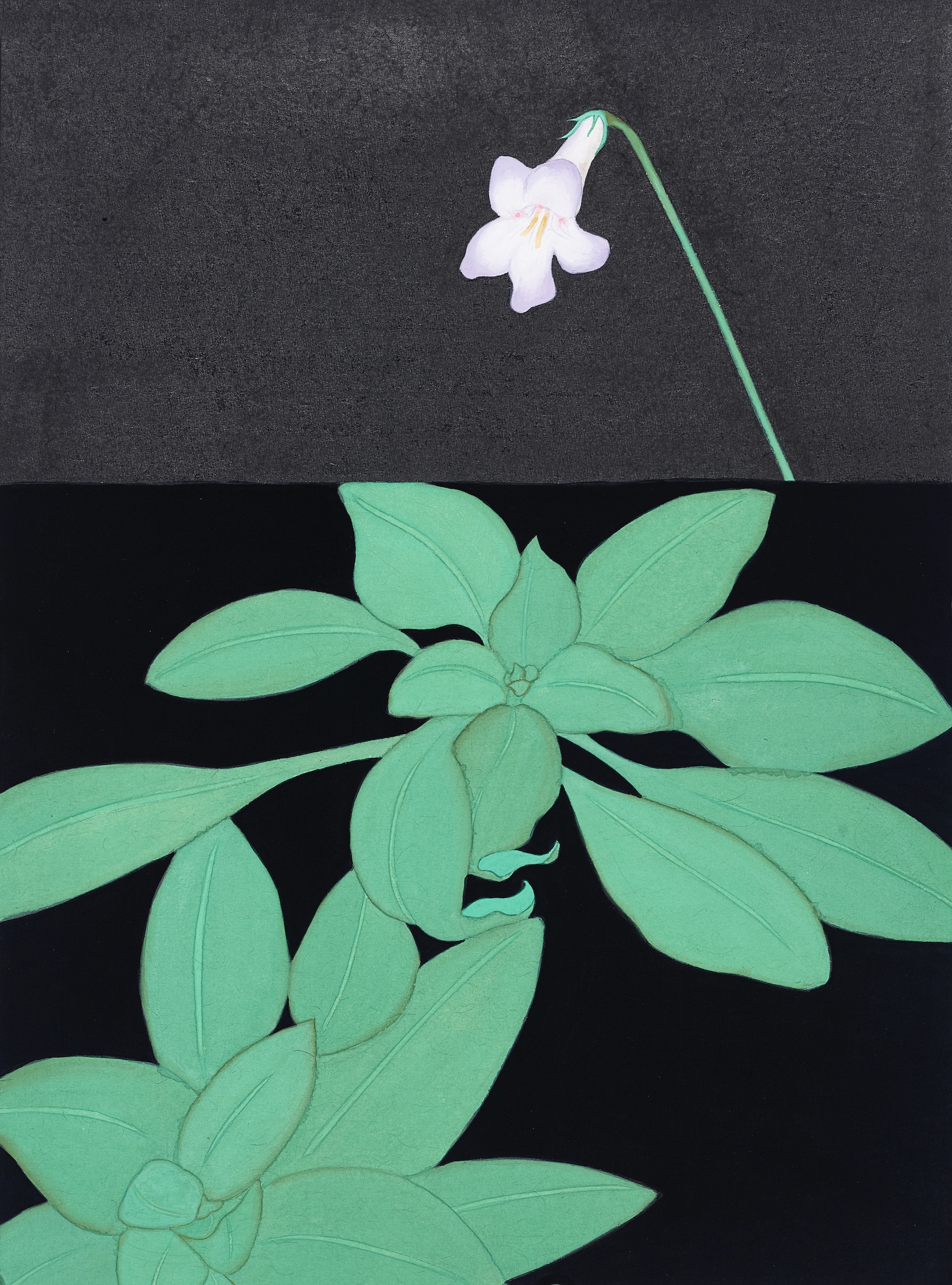
Xu Chen, Spring Moss Flower, Acrylic, ink on linen 40*30 cm 2026
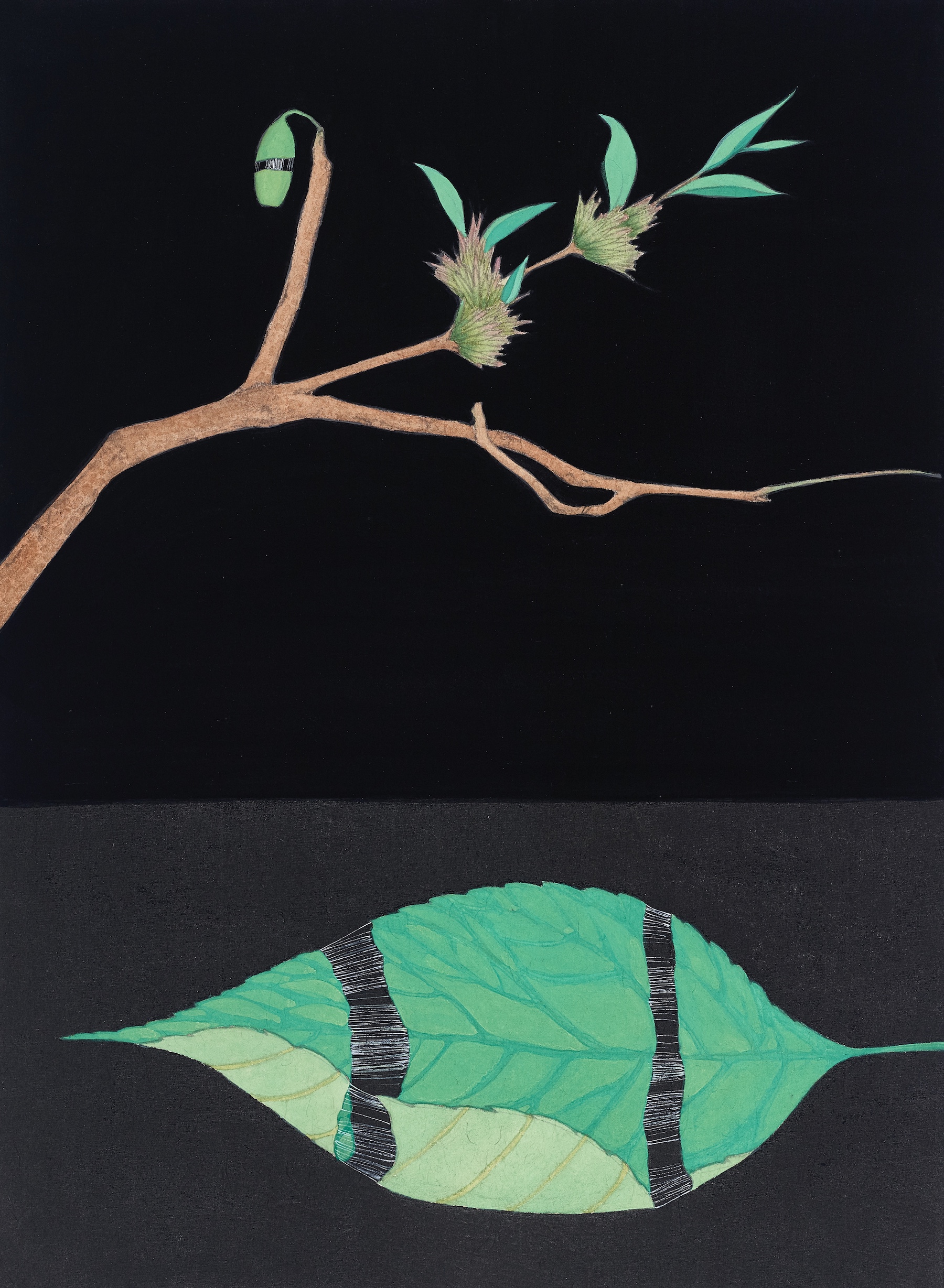
Xu Chen, Eucommia, Acrylic, ink on linen 40*30 cm 2026
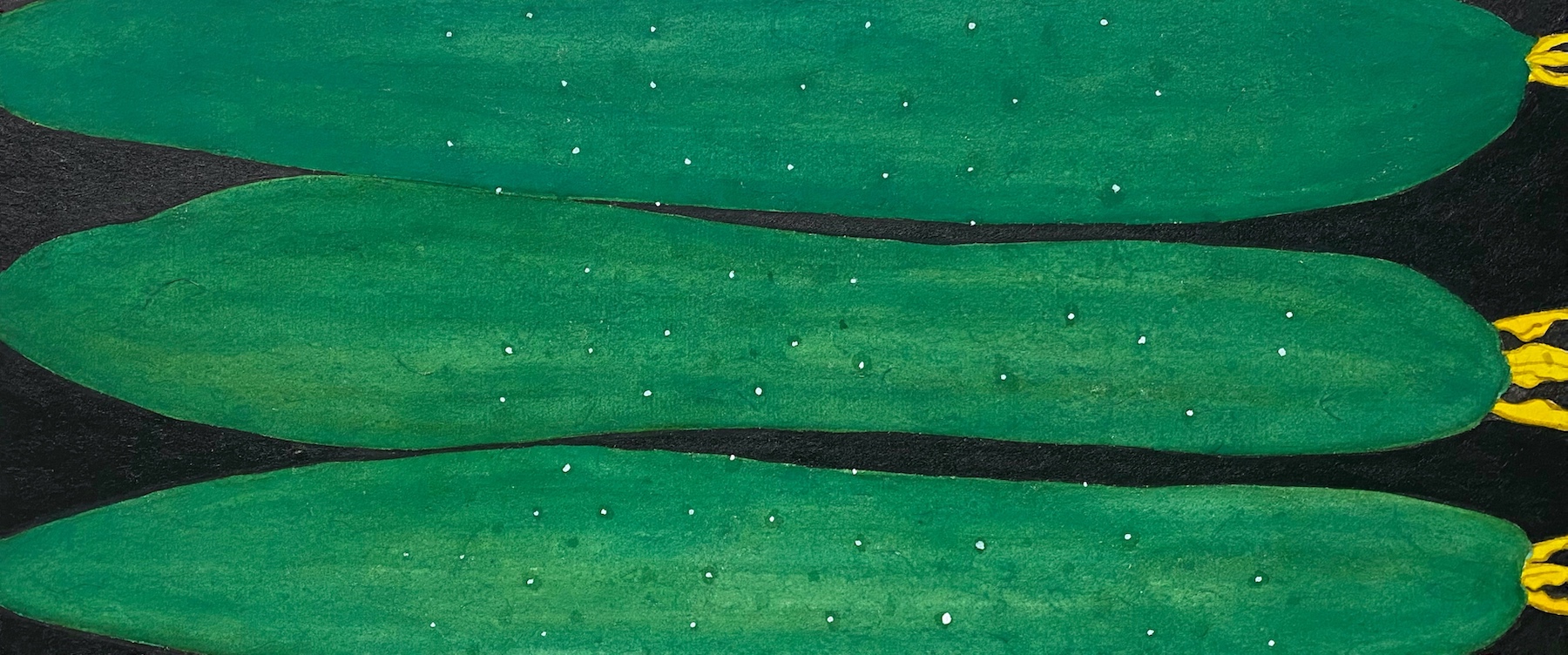
Xu Chen, Cucumber, Acrylic, ink on linen 25*50 cm 2022

Xu Chen, Pork Bun, Acrylic, ink on linen 50*14.5 cm 2022
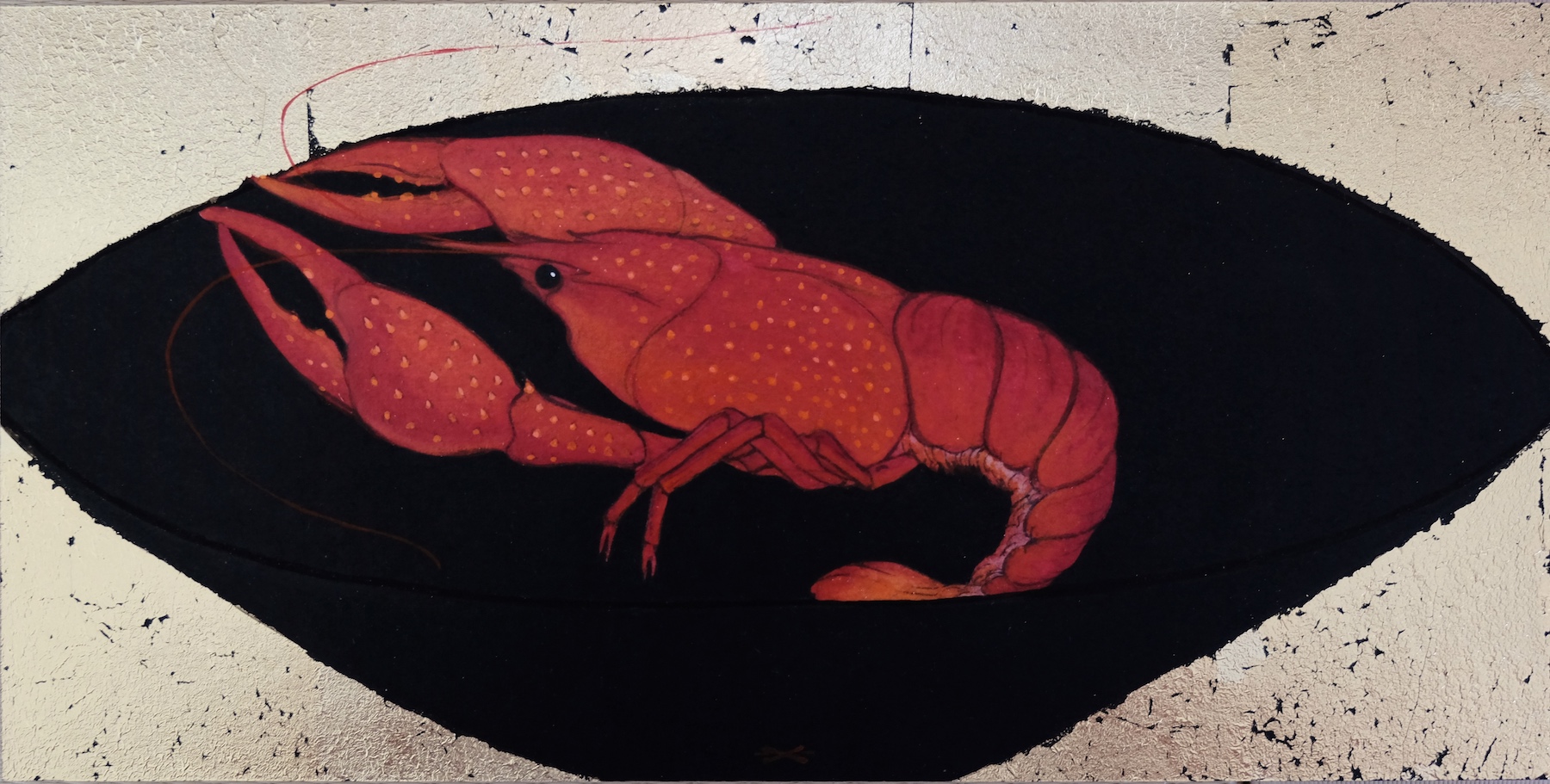
Xu Chen, Lobster, Acrylic, ink on linen 19*38 cm 2025
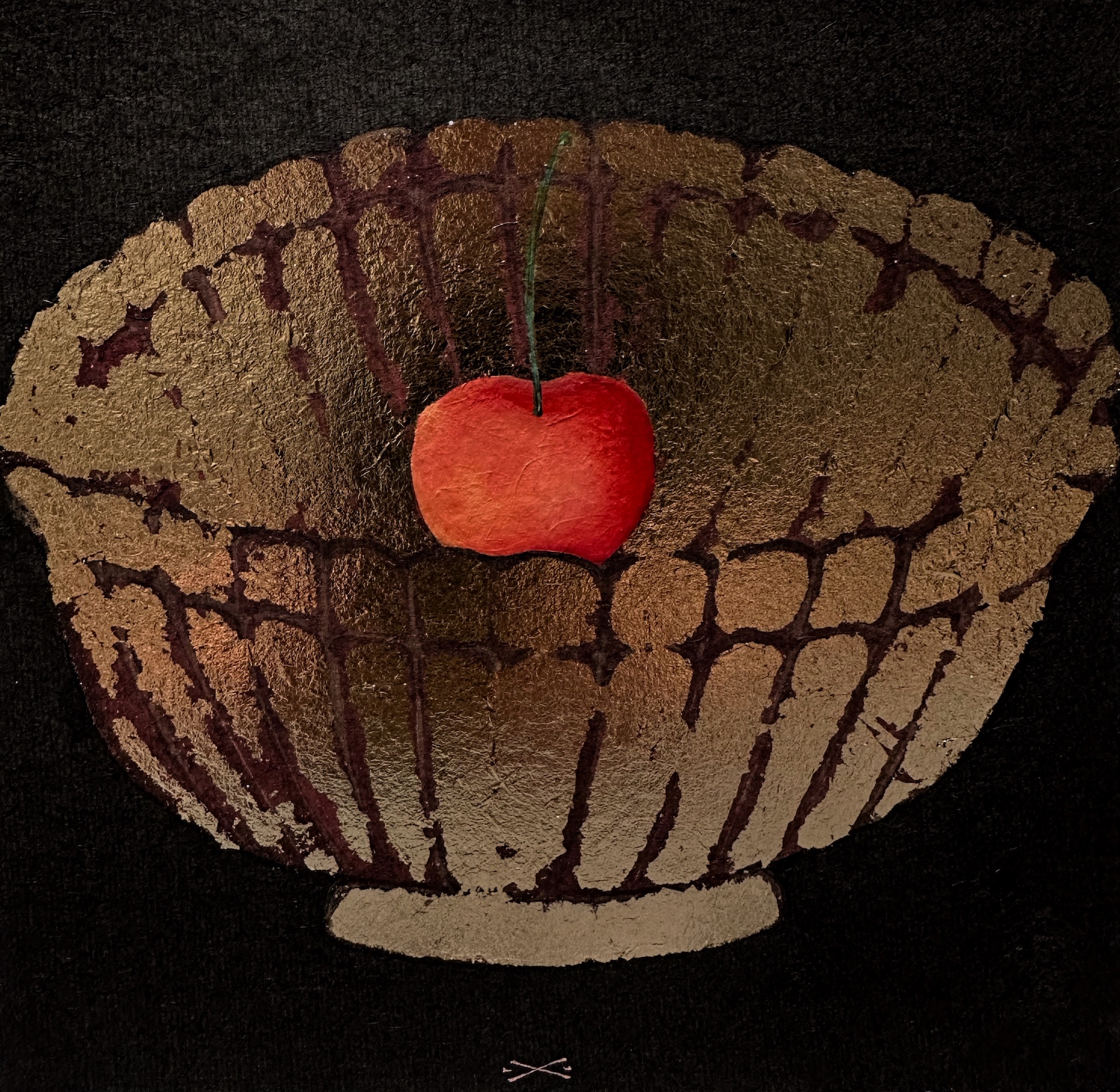
Xu Chen, Cherry, Acrylic, ink on linen 19*19 cm 2023
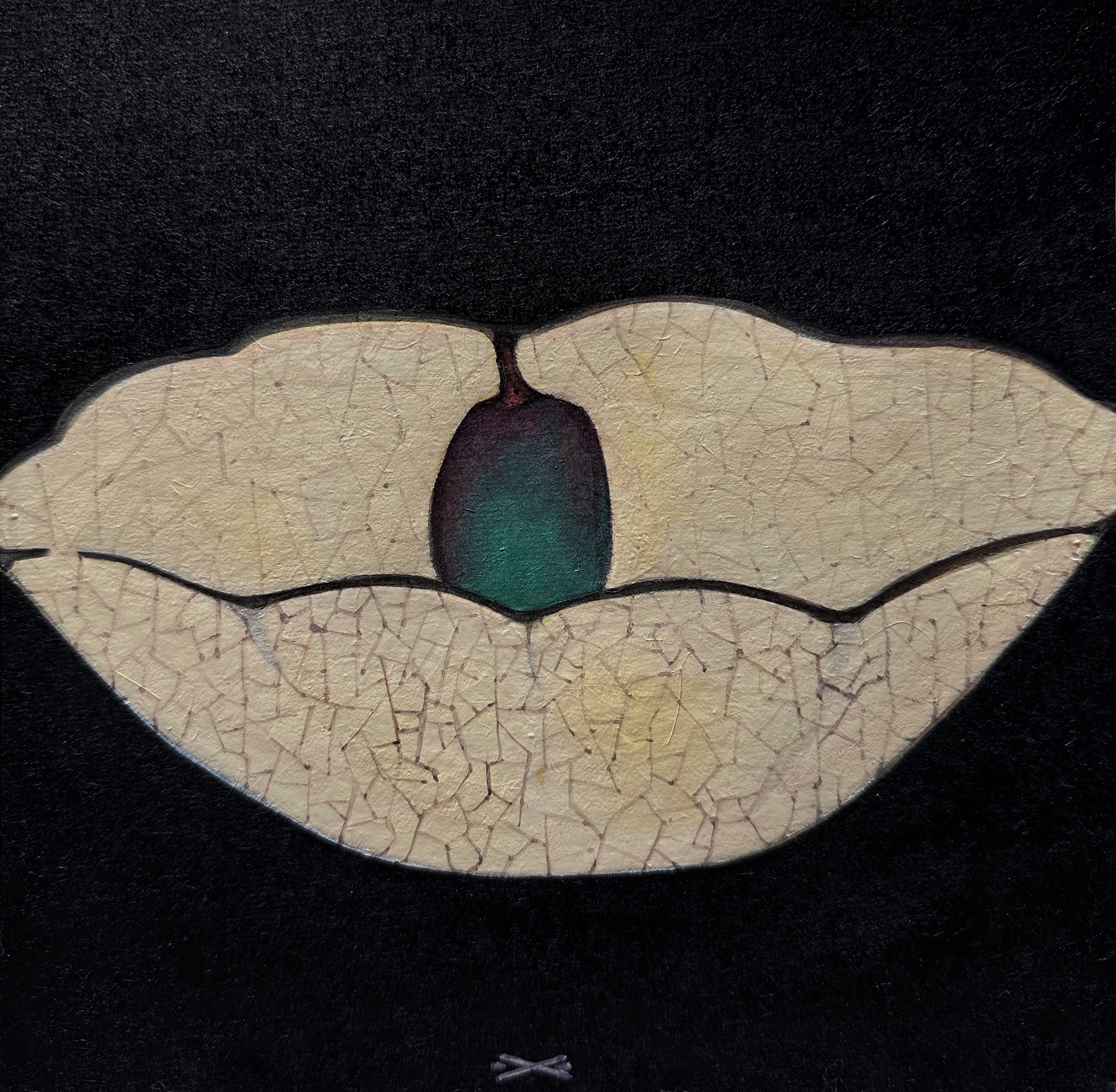
Xu Chen, Bodhi seed, Acrylic, ink on linen 19*19 cm 2023
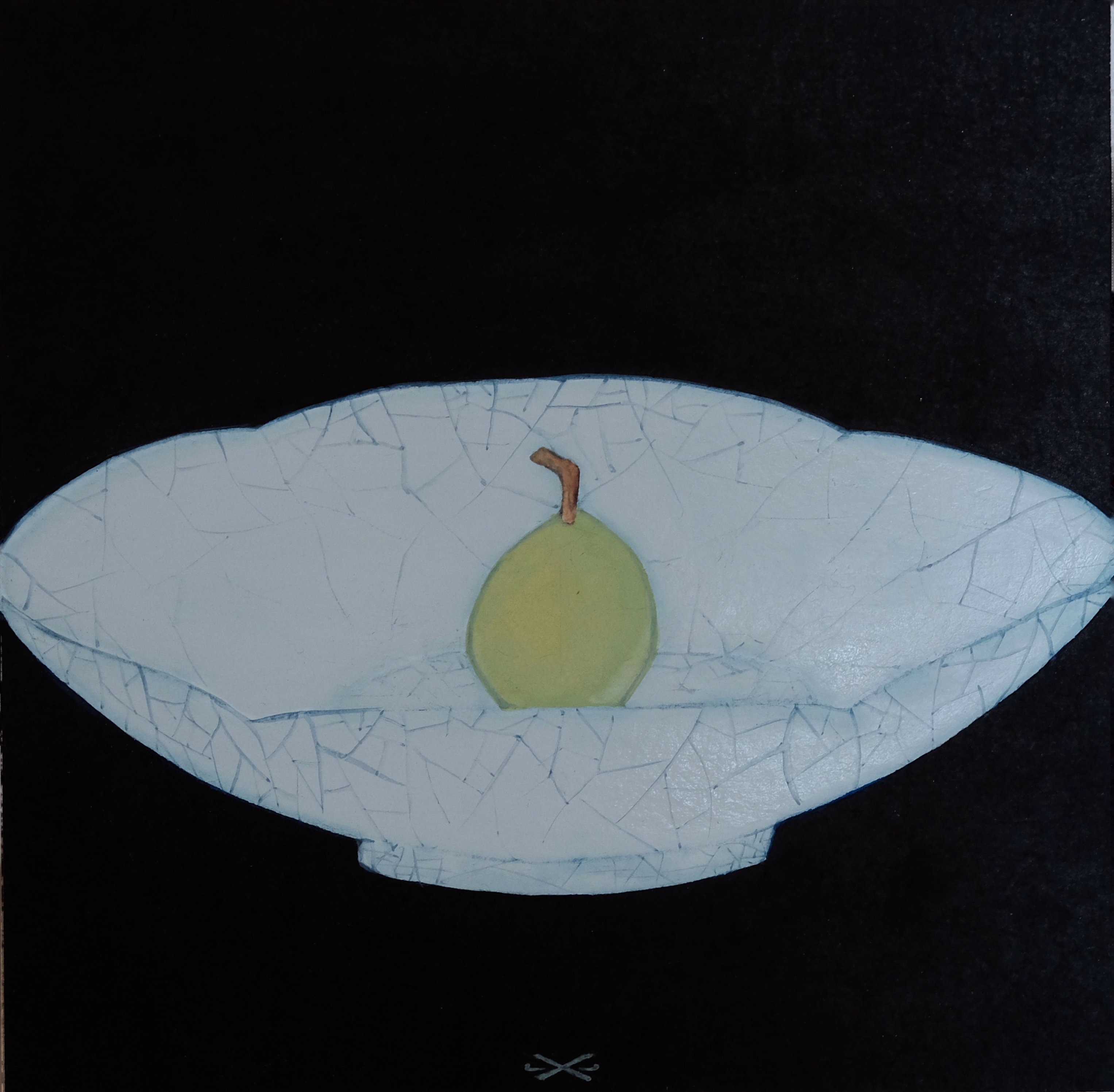
Xu Chen, Yulu, Acrylic, ink on linen 19*19 cm 2023
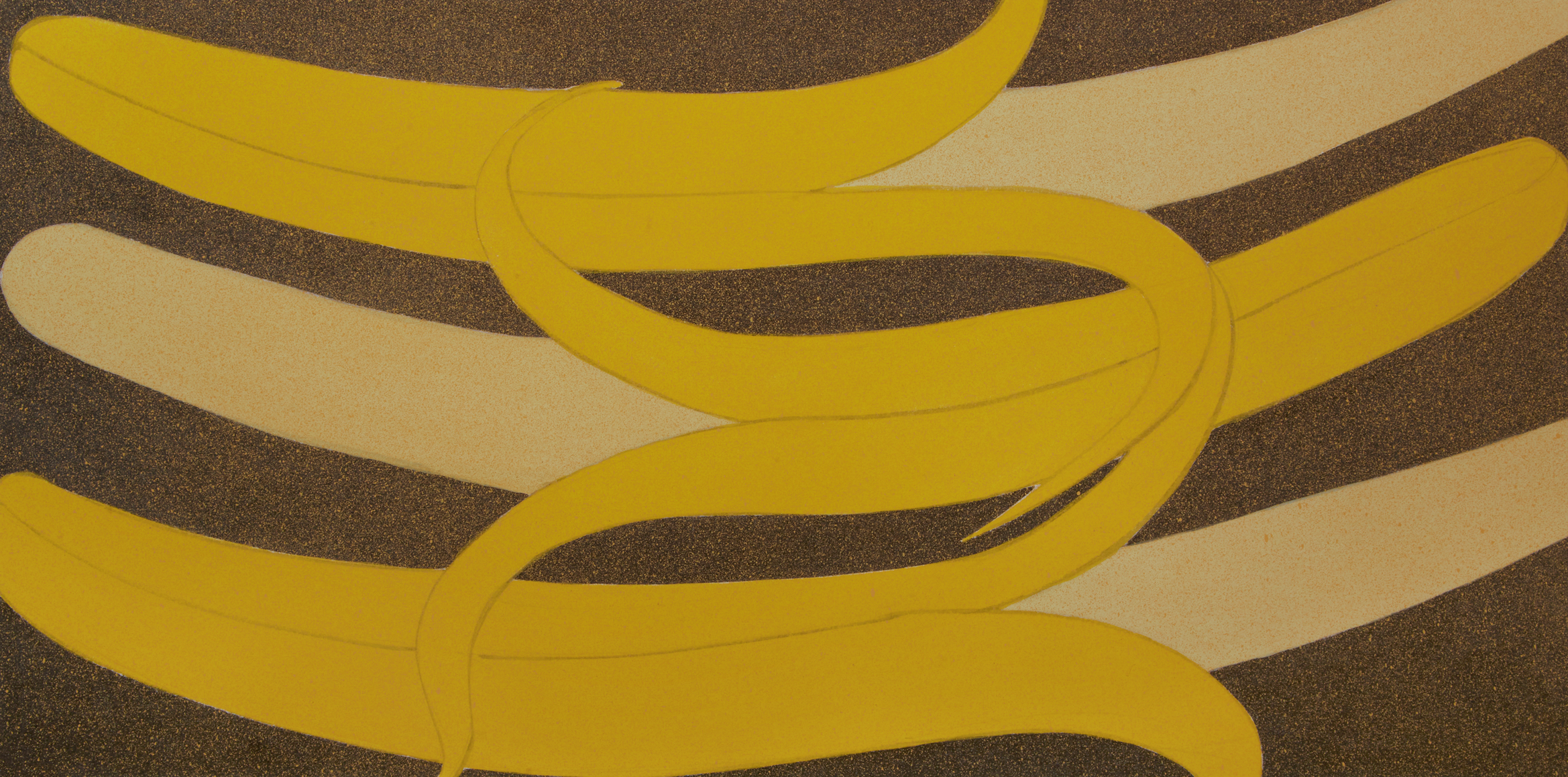
Xu Chen, Banana No.3, Acrylic, ink on linen 25*50 cm 2022
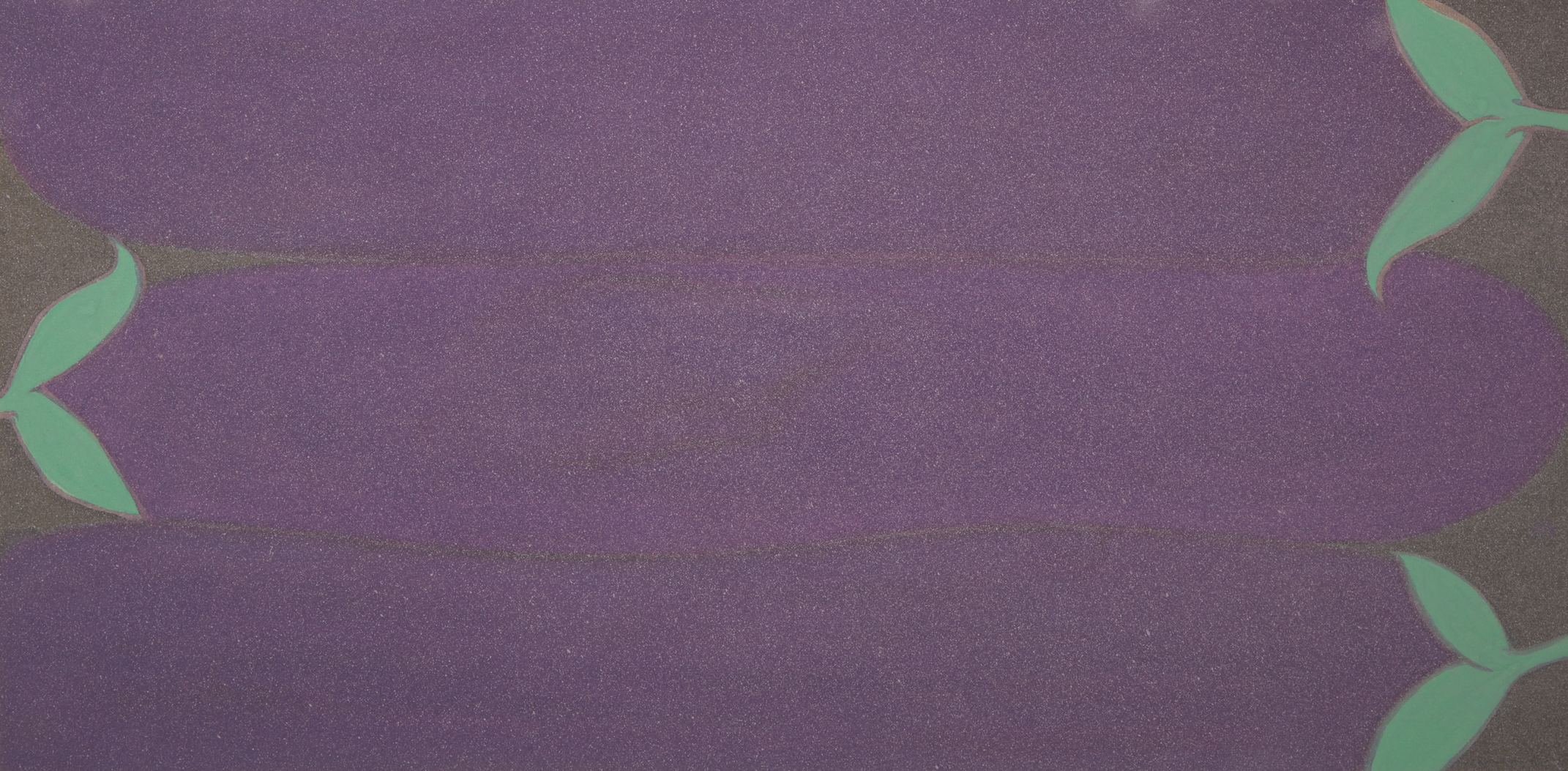
Xu Chen, Eggplant, Acrylic, ink on linen 25*50 cm 2022
Art+ Shanghai is pleased to present Meridian: Intersections in Chinese Art, a summer group exhibition celebrating the remarkable range and vitality of Chinese art being made today.
Rather than organizing the show around a single subject, we borrow an idea from the sky. A meridian is the imaginary line the sun crosses at its highest point of the day, a natural symbol for the height of summer, when this exhibition opens. But a meridian is also a point where different lines meet, and that is the true heart of the show.
Meridian is a meeting place: a moment where artists of different generations, backgrounds, and stages of their careers come together in one room. These artists do not share a single style, message, or story, and that, rather than being a weakness, is precisely the point. Placed side by side, their differences light up the screen. Each artist becomes a kind of coordinate, and the lines between them map out just how varied, layered, and alive Chinese art is right now. The pleasure of the exhibition lies in moving between these voices and discovering the unexpected conversations that emerge.
Each artist arrives by a very different path. Chen Chunfei turns inward, painting inner and spiritual landscapes inspired by the sacred mountains of Tibet. Her vivid canvases transform the natural world into a place of calm and reflection, inviting the viewer to slow down and look beyond the surface of things. In contrast, Tang Zhengwei looks outward at the modern city. Working in the slow, demanding craft of paper-cutting, a technique that requires enormous patience and precision, he gives form to the invisible pressures of urban life, revealing the tensions and hidden currents that lie beneath the bright, polished surface of the metropolis.
Two other artists reinterpret the traditions they inherited. Liu Gang draws on the discipline and focus of classical Chinese painting, but works with contemporary materials such as graphite and acrylic. In his Non-Form series, fine lines unravel like fraying threads, a quiet meditation on how fragile and fleeting physical life can be, and on the steady passage of time. Ling Haipeng takes a different route into history. He reinvents jiehua 界画, an ancient form of precise architectural "ruler painting," and combines its time-honored techniques with mathematics and structural blueprints. The result builds a bridge between centuries-old tradition and clean, modern geometry.
Xu Chen finds his subject in the most ordinary of things, a single persimmon, a cherry, a banana. Painting in ink and acrylic on linen, he revives the old scholarly tradition of qinggong 清供, the "pure offering," in which simple, everyday objects were arranged with care and reverence. He places a single fruit in a delicate vessel of pale celadon, white porcelain, or shining gold against a deep, dark background, so that an everyday object feels suspended in time and almost sacred. In his hands, the humble still life becomes a quiet vessel for memory, symbolism, and meaning.
Yu Zhitong carries us somewhere altogether more dreamlike. Drawing on both East Asian painting traditions and Western surrealism, she fills her canvases with mythical creatures and imagery from different cultures, blurring the boundary between reality and imagination. Her work captures something of the strangeness and complexity of modern life, where many worlds and influences exist at once.
Brought together in a single space, these very different voices begin a rich conversation about what it means to live in the world today. Meridian ultimately suggests that the real energy of Chinese contemporary art lies in exactly these moments of meeting and crossing, a bright summer gathering that captures the diverse, generous, and ever-changing spirit of art being made now.
About the artists
Chen Chunfei (b. Guangxi, China) is a painter based in Shanghai whose practice unfolds across an evocative vocabulary of dreams, clouds, nature, and music. Working primarily within the lineage of Shanghai-school abstraction, she translates inner states and lyrical impressions into atmospheric, sensorial compositions, a sensibility reflected in the titles of exhibitions such as Painting Dreams (2015), Song of the Nightingale (2018), and Searching for You Through That Cloud (2023).
Active since 2008, Chen has developed a sustained body of work shown widely across China and internationally. Her solo and duo exhibitions include Habitat (M50 NONE PROJECT, Shanghai, 2025), Searching for You Through That Cloud (West Bund Xingyang Center, Shanghai, 2023), Sensibility and Rationality with Gu Benchi (Jieming Gallery, Shanghai, 2022), and From One Cloud to Another (Jiaxing Dihara Art Museum, Zhejiang, 2021).
Her work has featured in numerous group exhibitions, including Everyone (Tokyo Art Museum, 2014) and a long-running engagement with women artists' platforms, among them presentations at the Cooper Art Museum, Huzhou Art Museum, and Shanghai Sifang Art Center. Recent group showings include Realm of Symbiosis and Symbiotic Narratives (Songyang, Zhejiang, 2025) and Reconstructing the Narrative of Life — Her One Square Meter (Cooper Art Museum, Shanghai, 2025).
Ling Haipeng (b. 1987, Liaoning, China) is a contemporary artist who currently lives and works in Beijing. He received both his BFA (2012) and MFA (2016) from the Department of Traditional Chinese Painting at the Luxun Academy of Fine Arts.
Ling’s practice interrogates the precise, systematic methodology of jiehua (界画, traditional Chinese ruler painting). He recontextualizes this historical technique through the contemporary lenses of mathematical calculation and structural modeling. By systematically excising classical aesthetic conventions from his compositions, Ling isolates the underlying spatial and structural logic of traditional painting. His work navigates the liminal space between historical continuity and geometric abstraction, transforming ancient architectural painting techniques into a rigorous, analytical discourse on contemporary visual models.
His work has been exhibited extensively across China. Notable solo exhibitions include Consistency (2022) and Branch (2020) at dRoom, Platform China Contemporary Art Institute in Beijing. Recent selected group exhibitions include “Transparency” at Art+ Shanghai Gallery (2024), Capture (2023) at Platform China; Flowing Instinct (2023) at the Song Art Museum; the First CCB Trust Art Award Shortlisted Artists Exhibition (2021) at the Guardian Art Center; and Variations at the Third Anren Biennale (2021).
Ling is the recipient of numerous accolades, including the SAP Art Award for Young Artist of the Year and Painting Art of the Year (2021), the Third Anren Biennale Young Artists Award (2021), and the Youth Art 100 — Phoenix Art Nova Award (2020). His works are held in prominent institutional and private collections, including the Liu Haisu Art Museum, the Luxun Academy of Fine Arts Art Museum, and the E-Land Group.
Liu Gang is a contemporary Chinese artist born in Hebei province and currently based in Shanghai. He received his education from the Art Department of East China Normal University.
Liu Gang's artistic career spans over three decades, with his first recorded exhibition dating back to 1992. He has held numerous solo exhibitions, showcasing his work in prestigious venues. Notable solo exhibitions include: “Visible & Invisible” personal works exhibition at Culture 21, "Qi Zhi" Personal Works Exhibition at Culture 21 in 2019, “From Logic to Ontology” solo exhibition at Mei Bo Art Museum, “Dimensional Dialogue” solo exhibition at Art+ Shanghai Gallery in 2024.
Liu Gang's work has also been featured in various group exhibitions both domestically and internationally. His art has been showcased in cities such as Los Angeles, Abu Dhabi, and Seoul, as well as in countries like Germany, Italy, and Taiwan. This international exposure demonstrates the global appeal and recognition of his artistic vision.
Liu Gang's practice functions as a profound meditation on temporality, a visual dialogue between historical consciousness, contemporary concerns, and natural phenomena. Each body of work emerges as evidence of his intellectual rigor and unwavering commitment to formal innovation and conceptual depth.
Particularly revealing is the remarkable trajectory of Gang's practice over the past fifteen years. His four most recent series function as waypoints, charting the artist's intellectual development, shifting conceptual frameworks, and evolving technical virtuosity.
Born in 1987 in Chengzhou, China, Tang Zhengwei received his Bachelor in Mural Painting at the China Academy of Art, Hangzhou, (2011) and his Master's degree in Experimental Art at the Central Academy of Fine Arts, Beijing (2018).
In a range of experimental and conceptual work, he currently concentrates his artistic practice on paper cutting. Whether crafted from the label of a water bottle or milk carton, a thin sheet of rice paper or conceived as a large-scale papercutting sculpture, his detailed works express the artist’s profound interest in the current social, economic and environmental state of affairs in China and the world. Thorough research, scrupulous data analysis, sophisticated mathematical calculations are solidified in the intricacy of his detailed work cut out of paper.
Tang Zhengwei’s works have been exhibited in China and Japan, some of the notable exhibitions include group shows such as “Somewhere Only We Know” in Ullens Center for Contemporary Art and KWM Art Center in Beijing in 2016, as well as the exhibition dedicated to the future of Chinese Folk Art in Ichihara Lakeside Museum in Japan the same year. His first solo exhibition was held at Art+ Shanghai Gallery in 2018, followed by a Solo Show “Seeing the Unseen"有知无见的吸引 in 2022.
Xu Chen (b. 1985, Shanghai) lives and works in Shanghai. Trained first at the Shanghai Art & Design Academy (2004) before earning a B.A. (2008) and an MFA (2013) from the China Academy of Art in Hangzhou, Xu Chen belongs to a generation of artists reinterpreting the classical language of shanshui (山水) and Chinese calligraphy through a contemporary conceptual lens.
Across recurring bodies of work, among them Folding Mountains (2017–2018), Mountains and Mountains(2020), and Zhuan Shan (2017), the practice interrogates landscape not as inherited motif but as a mutable structure, folding and re-articulating the genealogy of the literati tradition for the present moment. This sustained inquiry extends into the realm of contemporary calligraphy, evidenced by participation in the Hangzhou International Modern Calligraphy Art Festival (2019).
Xu Chen has exhibited widely across China and internationally, with solo and group presentations at the China Art Museum, Shanghai (2013, 2020, 2021, 2023), the Tianjin Art Museum (2014), the Hanshan Art Museum, Suzhou (2018), the Anren Biennale, Chengdu (2017), and Polar Bear Gallery, Tokyo (2024), alongside recent showings in Shanghai and Nanjing.
The work is held in the collections of the Shanghai Art Museum, the Shanghai Archives, the Baidai Art Museum, as well as corporate collections including Huawei, Fangyuan Group, and NIO, and private collections across the United States, France, the United Kingdom, Japan, Denmark, and China.
Yu Zhitong (b. 1991, Heilongjiang, China) is a multidisciplinary artist and scholar whose practice navigates the intersections of visual art, cinematic concept design, and academic research. Holding a Ph.D. in Art History from the Université de Lorraine (2023), Yu's doctoral research interrogates the presence of animal chimeras and hybrid creatures within contemporary artistic imagination, a theoretical framework that deeply informs their own visual lexicon.
Yu's formal artistic training began at the Central Academy of Fine Arts (CAFA) in Beijing, where they earned a Bachelor of Arts in Image Design and Animation. They subsequently relocated to France, completing both a Bachelor's and Master's degree in Modeling Art at the École Supérieure des Beaux-Arts de Nantes.
Their diverse professional praxis spans multiple disciplines and international borders. Yu has contributed to pre-production concept design for acclaimed French documentary director Jacques Perrin and engaged in advanced printmaking at the Michael Woolworth Studio in Paris, assisting renowned artists such as Jim Dine and Lucas Arruda. Furthermore, Yu has participated in prominent international residencies, including an exchange program in Marfa, Texas, and a residency at La Maison Fumetti in Nantes.
Yu’s work has been exhibited extensively across France and China, with exhibitions in Paris, Nantes, Saint-Malo, and Shenzhen. Their distinct approach has garnered significant institutional recognition, including the Takeshi Matsuya Prize from the Shoen Art Foundation in Paris (which also acquired their work), the KUART Academic Nomination Award, and multiple Jury Commendation Awards from the Nantes School of Fine Arts. Alongside their studio practice, Yu maintains an active pedagogical role, having recently served as a teaching assistant for Sino-French academic workshops bridging art and technology at the Sichuan Fine Arts University.